
Trial Presentation Services
Exhibits, clips, and demonstratives called up instantly, so the jury stays with your argument.
Exhibits, clips, and demonstratives called up instantly, so the jury stays with your argument.
A strong case can still fall flat in front of a jury. Evidence gets lost, timelines get confusing, and jurors lose the thread of an argument that made perfect sense on paper. Trial presentation services close that gap, helping Michigan attorneys present complex evidence in a way juries can actually follow.
Clear presentation builds credibility. Confusing presentation, even with strong evidence, can cost a verdict.
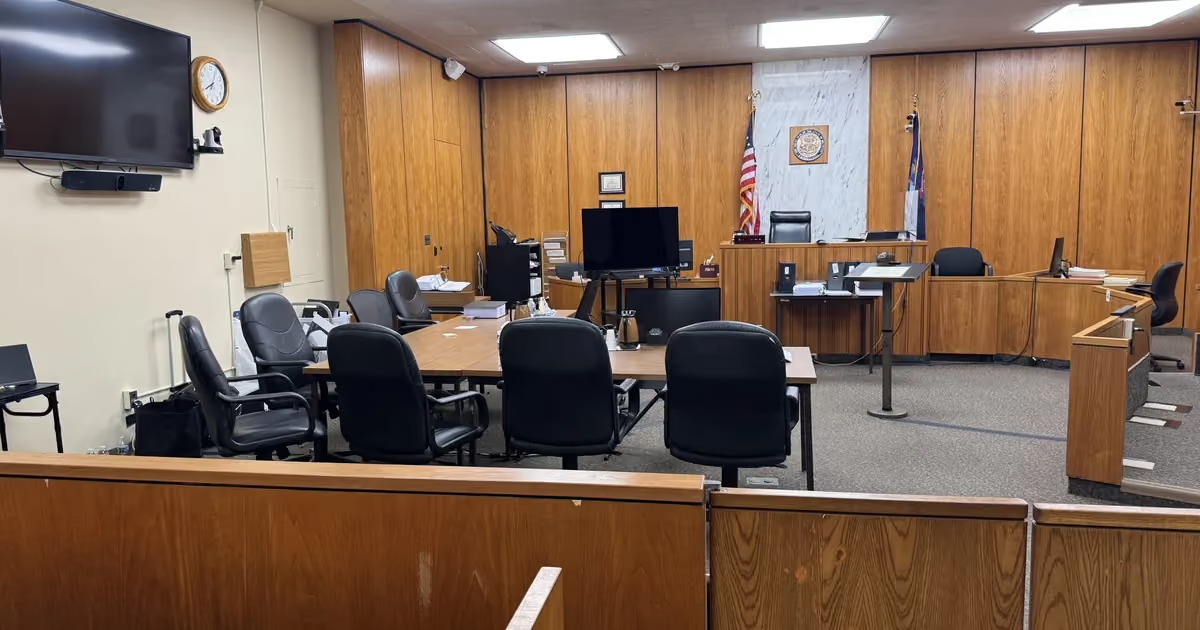
Trial presentation is the coordination of technology, evidence, and courtroom logistics during a trial, from displaying exhibits on courtroom monitors to synchronizing video depositions with transcripts in real time. Much of the work happens before trial even starts: files organized, tested, and formatted for courtroom systems, with backup plans ready if equipment fails.
Every system tested, and doubled, before the room fills.
Myth
Any laptop and projector setup will work in court.
Fact
Courtroom systems vary widely, and untested equipment often fails under trial conditions.
Myth
Video depositions do not need professional synchronization.
Fact
Unsynced video slows testimony and can undermine credibility with the jury.
Timing matters more than most attorneys expect. Early involvement, months before trial, gives time to organize exhibits, test technology, and build a clear strategy. Waiting until the week before often means rushing steps that deserve more attention.
The equipment and software used to display evidence, video, and documents during a trial: courtroom monitors, projectors, synchronization software, and playback systems for video depositions.
Even smaller cases benefit from organized, well-presented evidence. A trial technician helps ensure exhibits display clearly and equipment functions properly, regardless of case size.
This is exactly why redundant systems matter. Backup equipment and duplicate files let a trial technician resolve most issues within moments, often without the jury noticing.
On the record
What materials should attorneys provide before trial presentation preparation begins?
The more organized the materials arrive, the smoother preparation goes. Attorneys generally provide:
Even a rough outline of trial strategy helps shape how exhibits and video clips get organized. The earlier this information comes together, the more time there is to prepare it properly.
What does a trial technician do before the courtroom opens?
Long before a jury takes their seats, the trial technician has already been at work. Setup usually begins hours ahead of the first witness, not minutes.
By the time the judge calls the courtroom to order, everything has already been checked twice.
Can you assist if my trial starts in just a few days?
Yes. We understand trial dates shift, settlements fall through, and sometimes you inherit a case with almost no runway. We can move quickly to review your exhibits and build a presentation on a compressed timeline.
We bring backup equipment and redundant systems to every job, which matters even more when there's been less prep time. We'll ask direct questions upfront about courtroom layout, exhibit format, and witness needs so nothing gets missed in the rush.
Short notice isn't ideal, but it's not a dealbreaker. Call us, we'll tell you honestly what's possible in the time you have.
When should I hire a trial presentation specialist?
Earlier than most attorneys think. Ideally, you loop us in as soon as trial is scheduled — not the week before.
The earlier we're involved, the more we can prevent problems instead of reacting to them. That said — we know litigation doesn't always go on schedule.
What is the difference between a legal videographer and a trial technician?
Great question, and one we get a lot — the roles overlap but they're not the same job.
Think of it this way: the videographer captures the evidence, and the trial technician presents it. We do both, which means your case has continuity from deposition day all the way through the verdict — no handoff, no gaps, no relearning your case at the last minute.
Can you assist if my trial starts in just a few days?
Yes. We understand trial dates shift, settlements fall through, and sometimes you inherit a case with almost no runway. We can move quickly to review your exhibits and build a presentation on a compressed timeline.
We bring backup equipment and redundant systems to every job, which matters even more when there has been less prep time. We ask direct questions upfront about courtroom layout, exhibit format, and witness needs so nothing gets missed in the rush.
Short notice is not ideal, but it is not a dealbreaker. Call us and we will tell you honestly what is possible in the time you have.
When should I hire a trial presentation specialist?
Earlier than most attorneys think. Ideally, you loop us in as soon as trial is scheduled, not the week before.
The earlier we are involved, the more we can prevent problems instead of reacting to them. That said, we know litigation does not always go on schedule.
What is the difference between a legal videographer and a trial technician?
Great question, and one we get a lot. The roles overlap but they are not the same job.
A legal videographer focuses on recording depositions: setting up cameras, capturing clean audio, and syncing video to the transcript so it can be used later in trial.
A trial technician handles the courtroom itself: running exhibits, managing playback, coordinating monitors and projectors, and making sure everything displays correctly in real time in front of a judge and jury.
Think of it this way: the videographer captures the evidence, and the trial technician presents it. We do both, which means your case has continuity from deposition day all the way through the verdict, with no handoff, no gaps, and no relearning your case at the last minute.
Backups, redundancy, calm. The mobile office goes where your case goes.
John is calm, prepared, and invisible in the best way. The technology simply works, every deposition, every trial day.
Laura Johnson, Smith Haughey Rice & Roegge
From remote witnesses to courtroom playback, everything ran without a hitch. I never had to think about the equipment once.
Farah Israel, Kitch Attorneys & Counselors
The most reliable trial technician we have worked with. Redundant systems meant we never lost a minute of courtroom time.
Eric Ramar, Ottenwess Law, PLC
Tell us about your case. We'll bring the technology, the preparation, and the calm.