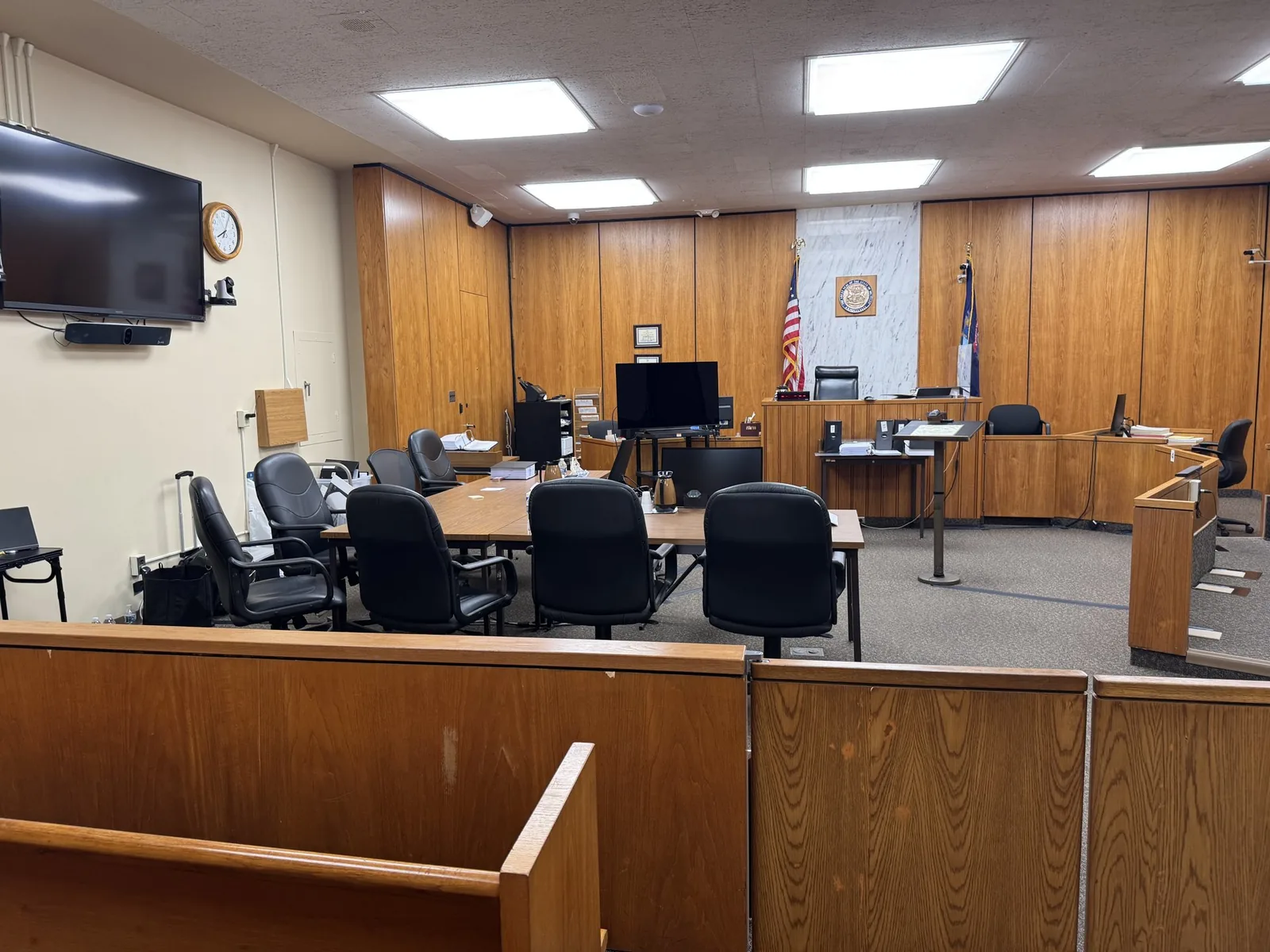

What Does a Trial Technician Actually Do?
Most attorneys don't think much about the trial technician until they're standing in front of a jury and a key exhibit won't display.
Most attorneys don't think much about the trial technician until they're standing in front of a jury and a key exhibit won't display.
Most attorneys don't think much about the trial technician until they're standing in front of a jury and a key exhibit won't display. That's usually the moment they realize this role is about far more than plugging in a laptop. A trial technician manages the technology, timing, and presentation strategy that make courtroom evidence land the way it's supposed to.
In simple terms, a trial technician is the professional responsible for displaying exhibits, video, and testimony clearly and reliably during trial, while working directly with the attorney's strategy in real time. It's a role that blends technical skill with courtroom composure. This article breaks down exactly what that looks like, from pretrial preparation to the split-second decisions made mid-testimony.
In This Article
A trial technician is a litigation support professional who manages courtroom technology and visual evidence presentation during a trial. This includes displaying documents, video depositions, photos, and demonstratives on courtroom screens in sync with witness testimony and attorney argument. The goal is simple: help the jury see and understand the evidence exactly when it matters most.
This role is often confused with general AV support or videography, but the two aren't the same thing. A videographer records depositions. An IT technician might set up office equipment. A trial technician does neither of those jobs alone. Instead, they combine courtroom logistics, presentation software, and litigation knowledge into one specialized skill set.
It's also worth noting where this role fits into the litigation timeline. Trial technicians aren't limited to pretrial prep or deposition support. Their work is most visible during the trial itself, when the stakes are highest and there's no room for technical delay.
Trial technicians run the software and hardware that display evidence to the jury and judge. This includes trial presentation platforms, courtroom monitors, projectors, and audio systems. They're responsible for making sure every piece of equipment works together without lag or glitches.
Before trial even begins, this means testing every system in the actual courtroom, not just in the office. Courtrooms vary widely in their built-in technology, and a setup that worked perfectly in one location may need adjustments in another.
During testimony, the trial technician pulls up specific documents, images, or video clips the moment the attorney references them. This has to happen quickly and accurately, often with little advance notice. A delay of even a few seconds can break the flow of an attorney's argument or a witness's explanation.
Attorneys often communicate with their trial technician through subtle cues, prearranged systems, or quiet real-time instruction. This requires the technician to understand not just the technology, but the attorney's strategy and communication style. Many attorneys develop a shorthand with their trial technician over multiple trials, which speeds up this process considerably.
Technology fails sometimes. A cable disconnects, a file won't load, or a courtroom's power setup causes an issue mid-testimony. A trial technician has to solve these problems quickly and quietly, without drawing attention away from the witness or the attorney's argument.
The visible work in the courtroom is only part of the job. Much of a trial technician's value comes from preparation completed well before opening statements begin. This is where risk gets reduced and problems get caught before they become visible to the jury.
In the days and weeks leading up to trial, a trial technician typically:
This is where the idea of a "mobile office" becomes relevant. A well-prepared trial technician doesn't just bring a laptop and a projector. They bring a fully redundant setup, including backup equipment, backup power, and backup files, so that no single point of failure can derail a trial. Courtroom-ready preparation means expecting the unexpected and planning around it in advance.
Technical skill only gets a trial technician so far. Courtrooms are unpredictable environments, and things rarely go exactly according to plan. A judge might rule on evidence differently than expected, an attorney might change strategy mid-argument, or equipment might fail at the worst possible moment.
This is where composure becomes just as important as technical ability. A trial technician has to solve problems calmly, quickly, and without visible frustration, all while the jury and judge are watching. Consider a scenario where a judge unexpectedly excludes a planned exhibit minutes before it was set to appear. A skilled trial technician adjusts the presentation sequence on the fly, without missing a beat or alerting the jury that anything changed.
Not every technically skilled person can perform well under these conditions. This is part of why experienced trial technicians are valued differently than general AV staff. The ability to adapt instantly, while staying composed in a high-stakes public setting, is a distinct skill built through repeated courtroom experience.
Myth
Any AV person can handle trial technology.
Reality
General AV experience doesn't include courtroom procedure, exhibit rules, or real-time attorney coordination. Trial technology requires litigation-specific knowledge that general AV work doesn't teach.
Myth: It's just plugging in a laptop.
Fact: The actual job involves exhibit organization, software management, live troubleshooting, and split-second timing with attorney strategy. The visible setup is the smallest part of the work.
Myth: One technician is enough for any size trial.
Fact: Complex, multi-week trials with extensive exhibits or multiple witnesses often benefit from additional support or backup staffing. Relying on a single point of coverage can create unnecessary risk.
Myth: Trial technicians only work during the trial itself.
Fact: Much of the job happens beforehand, from exhibit prep to equipment testing to reviewing synced video and transcripts. Trial day is the result of that earlier work, not the whole job.
A trial technician isn't operating independently in the courtroom. Every decision about pacing, emphasis, and presentation ties back to the attorney's overall trial strategy. The technician's job is to execute that strategy seamlessly, without needing constant explanation during high-pressure moments.
This collaborative relationship extends beyond the physical courtroom. Many trials now involve remote or hybrid elements, such as expert witnesses testifying from another state or hearings that combine in-person and virtual participants. A trial technician coordinates these logistics, making sure remote testimony displays clearly and audio stays synced for everyone involved, whether they're in the room or joining virtually.
This adaptability matters increasingly in multi-state litigation, where trial teams, witnesses, and even courtrooms may span different jurisdictions. A trial technician familiar with remote testimony coordination and hybrid trial support helps keep these more complex proceedings running smoothly, regardless of where each participant is located.
A trial technician is a specialized litigation support professional, not simply someone who handles equipment in the background. The role combines deep technical knowledge with courtroom experience, strategic collaboration, and the ability to stay composed when things don't go as planned. From exhibit prep weeks before trial to split-second adjustments during live testimony, this work directly shapes how clearly a jury understands the case in front of them.
Preparation, presentation, and steady support in high-stakes moments are what separate an experienced trial technician from general technical staff. For attorneys building a trial team, understanding this role means knowing exactly what to expect, and what to look for, when courtroom technology needs to be handled right.
If you have an upcoming trial and want to know more about how courtroom technology support works, our team is glad to talk through your specific needs. Whether you're planning for a single-day hearing or a multi-week trial with complex exhibits, having a courtroom-ready partner in place ahead of time makes a meaningful difference. Reach out to discuss your trial dates, technology requirements, or courtroom logistics questions.
Key Takeaway
What a trial technician actually does: managing courtroom technology, exhibits, and real-time presentation so attorneys can focus on the case.
Planning a trial or deposition in Michigan? Let us make the technology the last thing you have to worry about.
Request a ConsultationHave a trial or deposition coming up? Tell us about your case and we will help you get courtroom ready.
Request a consultation →More than a decade of legal video, trial presentation, and courtroom technology experience across Michigan.
Meet John →Trial presentation, legal video depositions, courtroom technology, and remote testimony support.
View services →Trial presentation, legal video, courtroom technology, and remote testimony support for litigation teams across Michigan.
Home base in St. Clair Shores, with same-day reach across Southeast Michigan and travel statewide.
Tell us about your case. We'll bring the technology, the preparation, and the calm.