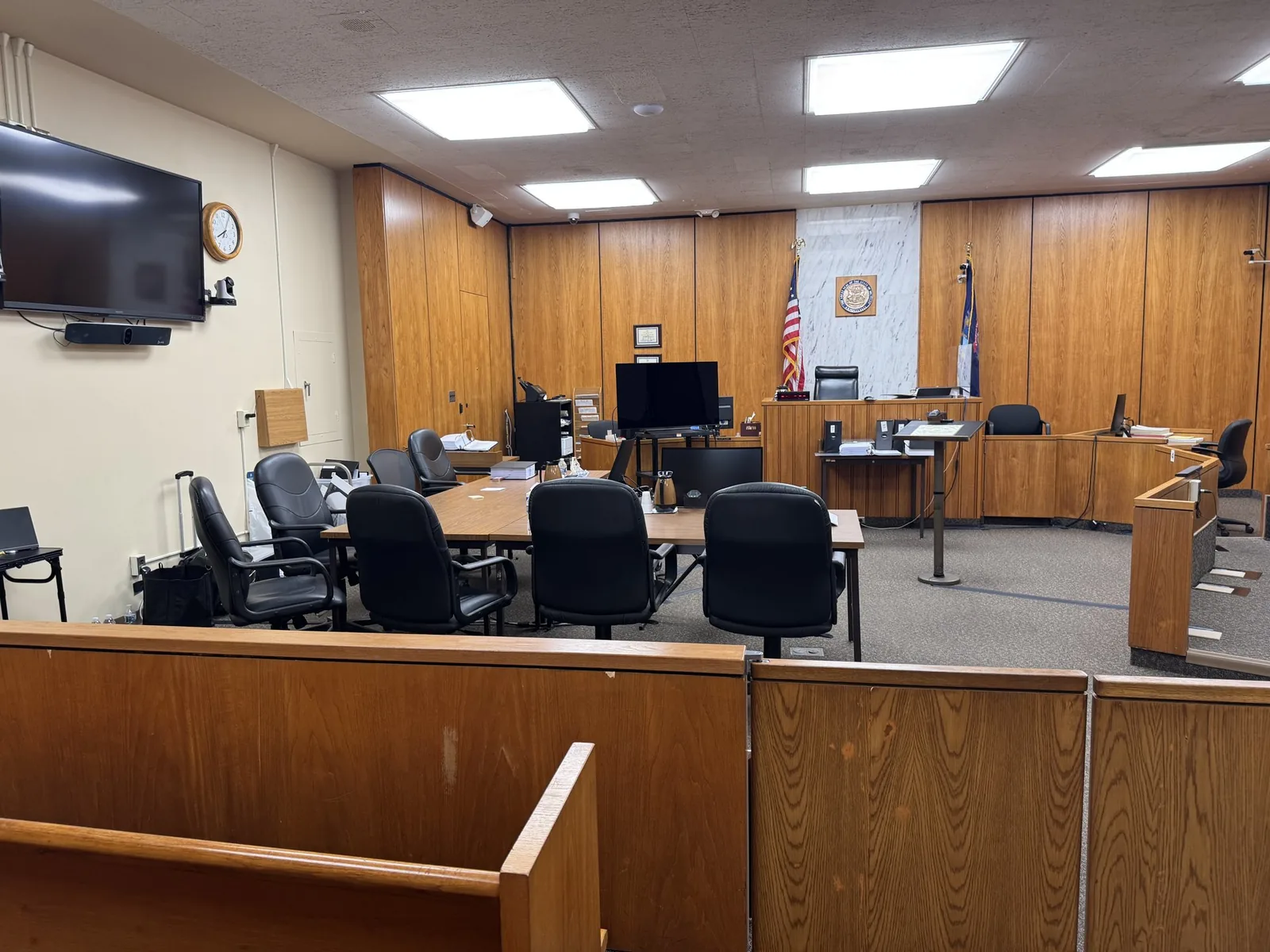

Legal Video vs. Standard Video Recording: Why the Difference Matters
Most attorneys have heard some version of this idea: video is video, and any camera should get the job done. That assumption can be costly.
Most attorneys have heard some version of this idea: video is video, and any camera should get the job done. That assumption can be costly.
Most attorneys have heard some version of this idea: video is video, and any camera should get the job done. That assumption can be costly. A deposition recorded without the right equipment, procedure, or technical knowledge can create problems that surface months later, often when it's too late to fix them.
Legal video is not the same discipline as standard videography. Weddings, corporate events, and social media content have different goals than courtroom evidence. Legal video requires precision, redundancy, and an understanding of how footage will actually be used in litigation.
Schmitzer Video & Trial Services has spent more than 13 years working inside depositions, trials, and courtroom technology setups across Michigan. That experience shapes a simple philosophy: preparation matters, presentation matters, and the difference between "recording" and "legal video" often decides how well a case holds up under scrutiny.
In This Article
Standard video recording covers a wide range of everyday uses. It includes anything from a smartphone video to a general-purpose videographer hired for an event. These recordings are built for convenience and visual appeal, not evidentiary reliability.
Standard video recording typically involves:
The core issue is intent. Standard video is created to capture a moment. Legal video is created to preserve testimony in a form that holds up procedurally and visually, months or years after it was recorded. Those are two different jobs, even if the equipment looks similar on the surface.
Legal video is the process of recording depositions, trial testimony, and case-related footage in a way that meets courtroom standards. It combines technical videography skill with a working knowledge of legal procedure. Many people don't realize how much procedural training is actually involved.
A legal video recording typically requires:
Certified legal videographers follow specific standards for framing, audio, and procedure. This isn't a formality. It ensures the recording will be accepted without dispute if it's ever challenged in court. A general videographer, however skilled, typically hasn't been trained in these requirements.
One of the more overlooked aspects of legal video is syncing the recording with the written transcript. This allows attorneys to pull exact video clips tied to specific testimony. Standard video recording almost never accounts for this need, which becomes a serious limitation later in a case.
Legal Video
Standard Video
Depositions and trials don't offer second chances. If equipment fails during a live courtroom moment, there's no reshoot. This is where the idea of a "mobile office" becomes relevant to legal video work.
A prepared legal video team typically brings:
Being courtroom ready isn't just about showing up with equipment. It means arriving early, testing systems in the actual room, and having a plan if something malfunctions. This level of preparation protects the integrity of the case, not just the footage.
Trials and depositions are high-stakes environments. A legal videographer who has managed multi-day trials and remote testimony across multiple states develops the ability to solve problems quietly and quickly. That composure often matters as much as the technical skill behind it.
Video quality issues rarely stay contained to the recording itself. They tend to ripple outward into how a case is perceived, argued, and ultimately decided.
Common consequences of poor-quality legal video include:
If a deposition video can't be used cleanly during trial, attorneys lose a valuable tool. Courtroom playback and impeachment strategies depend on footage that's clear, properly synced, and procedurally sound. Weak video recording can quietly remove options that would otherwise strengthen a case.
Jurors form impressions quickly, and video quality shapes those impressions more than most attorneys expect. A witness who appears clear, steady, and well-framed tends to come across as more credible than one captured in a shaky or poorly lit recording.
This isn't about production value for its own sake. Professional legal video simply removes distractions, so jurors can focus on the testimony itself rather than the quality of the recording. That clarity supports the witness rather than working against them.
People tend to retain information better when it's presented visually alongside spoken testimony. This is part of why day-in-the-life videos and synced deposition clips have become valuable tools in litigation. Clear, professional video simply communicates more effectively than a written transcript alone.
Even experienced attorneys sometimes carry assumptions about legal video that don't hold up in practice. Clearing these up early can prevent costly surprises later in a case.
Common misconceptions include:
Many attorneys don't work with legal videographers often enough to notice these gaps until a problem arises. By the time an issue surfaces, whether it's an admissibility challenge or unusable footage, the deposition has already happened. Understanding the difference upfront helps avoid that risk entirely.
Legal video and standard video recording may look similar on the surface, but the differences run deep. Certification, redundancy, procedural knowledge, and transcript synchronization all shape whether footage will hold up when it matters most. These aren't small details; they're the foundation of usable, reliable legal video.
Preparation and presentation go hand in hand in litigation. A well-prepared legal video team protects both the recording and the case built around it. Schmitzer Video & Trial Services was built on that exact philosophy: helping attorneys present their cases clearly, professionally, and with confidence, no matter how high the stakes are.
Attorneys who want dependable legal video support don't have to navigate these decisions alone. Schmitzer Video & Trial Services brings certified legal videography, redundant equipment, and courtroom-ready preparation to every deposition and trial.
If you have an upcoming deposition, trial, or remote testimony that needs professional video support, reach out to discuss your case. A quick conversation can clarify exactly what your team needs, and help you feel confident well before the recording begins.
Key Takeaway
Legal video isn't just filming. Courtroom-admissible depositions require specialized skill, equipment, and preparation attorneys can trust.
Planning a trial or deposition in Michigan? Let us make the technology the last thing you have to worry about.
Request a ConsultationHave a trial or deposition coming up? Tell us about your case and we will help you get courtroom ready.
Request a consultation →More than a decade of legal video, trial presentation, and courtroom technology experience across Michigan.
Meet John →Trial presentation, legal video depositions, courtroom technology, and remote testimony support.
View services →Trial presentation, legal video, courtroom technology, and remote testimony support for litigation teams across Michigan.
Home base in St. Clair Shores, with same-day reach across Southeast Michigan and travel statewide.
Tell us about your case. We'll bring the technology, the preparation, and the calm.