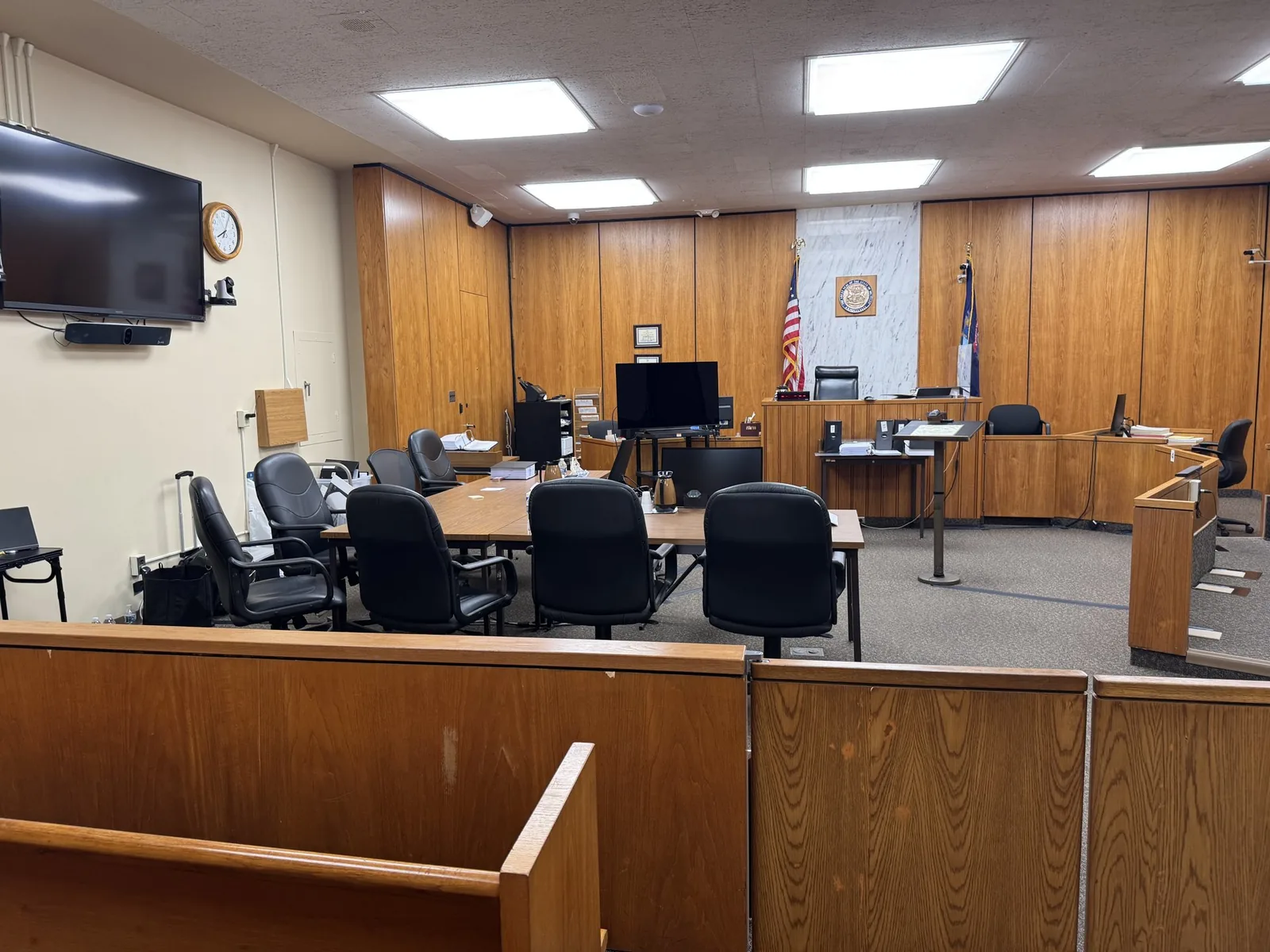
A deposition transcript can tell a jury what a witness said. It cannot show them the pause before an answer, the shift in posture, or the moment a witness's confidence cracks under a hard question. Those details often matter more than the words themselves, and they only survive if someone captured them on video.
John Schmitzer II has spent more than 13 years behind the camera in depositions across Michigan. He works alongside attorneys who understand that testimony is more than a transcript. Every deposition is treated as trial evidence from the very first setup, not an afterthought.
What Is Involved In a Video Deposition?
More Than Pointing a Camera at a Witness
A video deposition is a formal legal recording, not a casual video capture. It follows specific procedural rules and admissibility requirements that vary by court. Framing, audio clarity, and continuity all affect whether the footage holds up later.
A trained legal videographer manages lighting, camera angles, and sound levels. They also track exhibits and watch for off-the-record moments. A clean, unedited master recording is maintained throughout. That attention to detail separates deposition video from a general recording.
The Role of the Legal Videographer vs. the Court Reporter
Attorneys sometimes assume the court reporter's stenographic record covers everything the case will need. The videographer's job is different and complementary.
- The court reporter creates the certified written transcript of everything said on the record.
- The videographer creates the visual and audio record, including tone, timing, and nonverbal reactions.
- Both professionals work from the same "on the record" and "off the record" cues, but their final products serve different purposes at trial.
- When the two records are later synchronized, attorneys get a single searchable resource instead of two separate files.
Certification, Chain of Custody, and Admissibility Basics
Courts expect video depositions to meet specific standards before trial use. A certified videographer provides a sworn certification confirming the recording is accurate and unaltered. This certification, along with a documented chain of custody, protects admissibility later.
Improperly handled footage can become a liability instead of an asset. Working with a certified videographer from the outset avoids that risk entirely.
Why Attorneys Choose Video Over Stenographic Transcripts Alone
What Video Captures That Text Cannot
A transcript flattens testimony into words on a page. Video preserves the full moment: hesitation, tone, eye contact, and body language. Jurors respond to these cues instinctively. Often they form impressions before consciously processing an answer's content.
This matters most when a witness's credibility is central to the case. A flat "I don't recall" reads very differently in a transcript than it plays on video. Hesitation and discomfort become visible in real time.
Impeachment Value: Catching Tone, Hesitation, and Demeanor
Video depositions become powerful impeachment tools when a witness changes their story at trial. Playing back the exact moment of contradictory testimony carries far more weight than reading a transcript aloud. The witness's own voice and expression do the work.
- A witness who hesitates on video before contradicting themselves at trial creates a visible credibility problem.
- Jurors remember what they see far longer than what they hear read aloud.
- Well-prepared video clips can shift the emotional tone of a cross-examination without a single new question asked.
When a Case Truly Needs Video (and When It Might Not)
Not every deposition requires video. Straightforward fact witnesses in low-stakes matters may only need a stenographic record. High-value cases and contested credibility issues almost always benefit from video. So do witnesses unlikely to testify live at trial.
Inside the Deposition: How the Process Works Start to Finish
Pre-Deposition Planning and Equipment Setup
Preparation begins well before the witness sits down. The videographer confirms the location and reviews any exhibits that will appear on camera. Primary and backup recording equipment gets set up in advance. This planning phase prevents avoidable delays once the deposition begins.
A short pre-deposition conversation with counsel also helps. It tells the videographer what matters most about the case. Knowing whether impeachment clips or synchronized playback are priorities shapes how the session gets recorded.
Framing, Lighting, and Audio Standards That Hold Up in Court
Courtroom playback demands a higher technical standard than a typical video call. Poor lighting or muffled audio can undermine an otherwise strong piece of testimony.
- Camera framing stays consistent and centered on the witness throughout the session.
- Lighting is adjusted to avoid harsh shadows or washed-out skin tones.
- Audio levels are checked continuously, with backup microphones running in parallel.
Handling Exhibits and Documents on Camera
Depositions frequently involve documents, photographs, or physical evidence. The videographer captures these exhibits clearly on screen, often with a secondary camera or document feed. This way, the recorded testimony makes sense on its own later.
Managing Objections, Breaks, and Off-the-Record Moments
Depositions rarely run without interruption. Objections, breaks, and off-the-record discussions happen throughout. The videographer must track these moments precisely.
- Recording stops and starts are logged with exact timestamps.
- Off-the-record conversations are never included in the final certified video.
- Any technical pause is documented so the record remains clean and defensible.
Remote and Hybrid Video Depositions
How Remote Testimony Setups Differ From In-Person Sessions
Remote depositions add layers of complexity in-person sessions do not have. Internet stability and screen-sharing quality both introduce new points of failure. A remote setup still needs to meet the same evidentiary standards as an in-person recording.
Coordinating Multiple Locations, Attorneys, and Time Zones
Modern litigation often involves attorneys, witnesses, and experts scattered across different states. Coordinating a hybrid deposition means confirming everyone's setup in advance. Time gets built in for connection checks before testimony begins.
- Each remote participant's audio and video feed is tested individually before the session starts.
- Time zone differences are confirmed in writing to avoid scheduling errors.
- A single point of contact manages technical issues so attorneys can stay focused on questioning.
Backup Systems for When the Connection Fails
Technology fails at the worst possible moments. A dropped connection mid-testimony can derail an entire session. Redundant recording systems and a clear contingency plan prevent a technical hiccup from becoming a lost deposition day.
From Raw Footage to Trial-Ready Video
Video-Transcript Synchronization Explained
Raw deposition footage becomes far more useful once synchronized with the certified transcript. Synchronization links each word to the exact moment it was spoken on video. Attorneys can then jump directly to any line of testimony.
Creating Designations, Counter-Designations, and Clips
Once synchronized, specific testimony can be pulled into designations and counter-designations. This is where much of the strategic value of video depositions gets realized.
- Designations mark the testimony one side intends to play at trial.
- Counter-designations allow opposing counsel to add related testimony for context.
- Impeachment clips are isolated separately, ready to play the moment they are needed.
Formatting for Courtroom Playback Systems
Not every courtroom uses the same playback technology. Video files need to be formatted and tested for compatibility ahead of trial day.
Showing up with an untested file format is one of the most preventable mistakes in trial preparation. Confirming compatibility early removes that risk entirely.
What Sets a Trustworthy Video Deposition Provider Apart
Experience Across Case Types
Different cases carry different demands. A videographer with experience across medical malpractice, commercial litigation, and personal injury cases knows what each type of testimony requires.
Redundant Equipment and Preparation Standards
Reliable providers never depend on a single camera, microphone, or recording device. Redundant systems mean a technical failure never becomes a lost deposition.
- Backup cameras and audio recorders run alongside primary equipment.
- Battery and power redundancy prevents interruptions during long sessions.
- Every piece of equipment is tested before the witness arrives, not during the session.
- Backup storage drives protect the recording in case of a hardware failure mid-session.
Statewide and Multi-State Availability
Litigation does not stay confined to one courthouse or one city. A provider comfortable traveling across Michigan, and coordinating multi-state remote sessions, gives attorneys one consistent point of contact.
Steady Support, Every Time You Need It
Depositions rarely happen on a convenient timeline. The pressure of getting the recording right does not ease with experience. What changes over time is the confidence built from doing this hundreds of times before.
That steadiness shows up in the small things: equipment tested twice, exhibits framed clearly, a certified recording delivered without loose ends. Attorneys should never have to wonder whether the video will hold up months later at trial.
Book Your Michigan Video Deposition
A deposition date rarely leaves much room to spare. The technical side deserves attention well before the witness sits down. Reach out early to talk through the case, the witnesses involved, and what a fully prepared video deposition looks like for your matter.
Schmitzer Video & Trial Services is ready to support attorneys across Michigan with certified, trial-ready video depositions.
Contact Schmitzer Video & Trial Services Address: [insert business address] Phone: [insert phone number] Email: [insert email address] Website: [insert website URL]