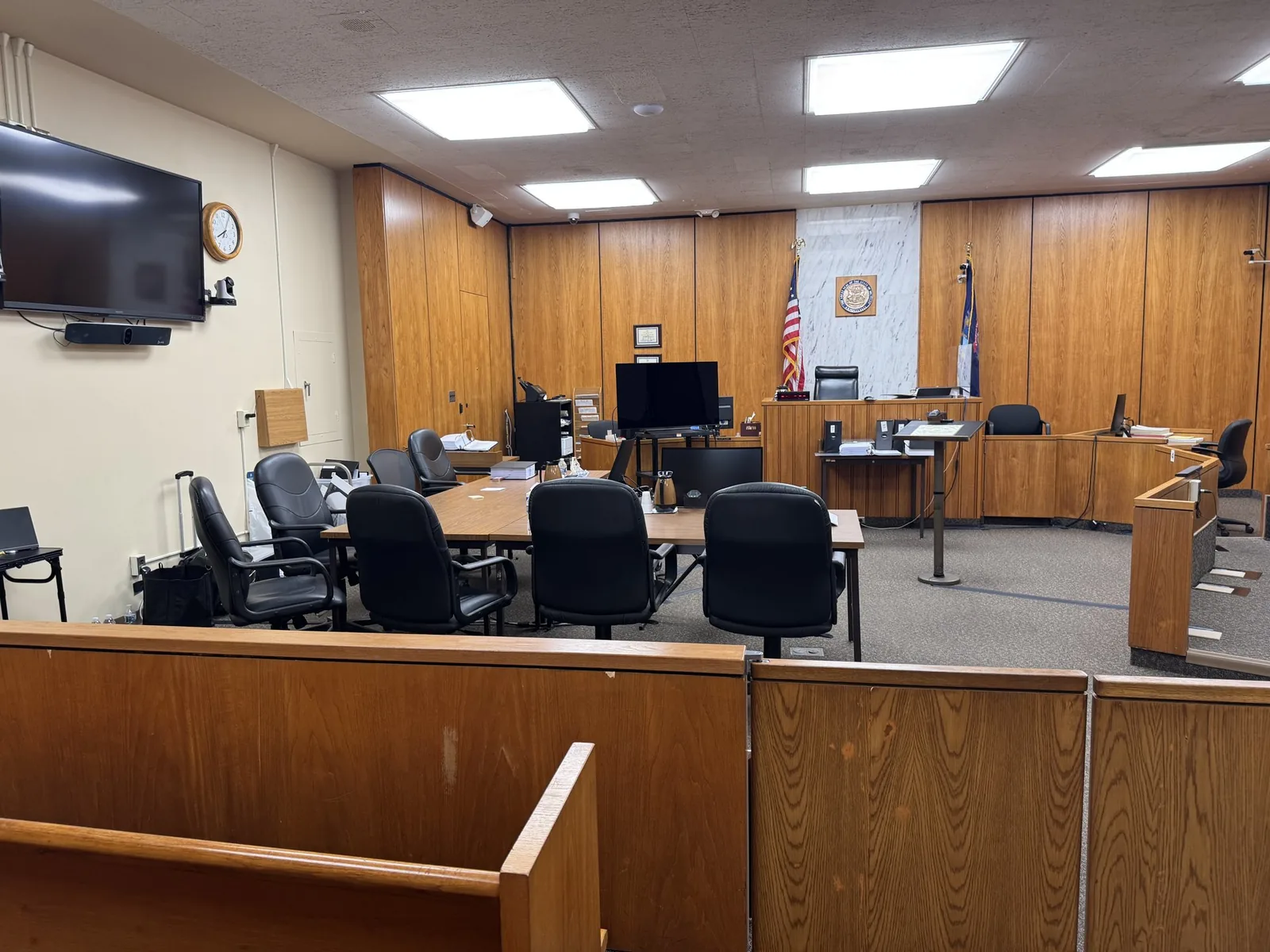

How Modern Courtrooms Handle Digital Evidence
Walk into almost any courtroom today and the evidence looks different than it did even ten years ago, from text threads to surveillance footage on a screen.
Walk into almost any courtroom today and the evidence looks different than it did even ten years ago, from text threads to surveillance footage on a screen.
Walk into almost any courtroom today and the evidence looks different than it did even ten years ago. Instead of stacks of paper exhibits, attorneys are pulling up text message threads, surveillance footage, and cell phone location data on a screen. Digital evidence has become central to how cases get proven.
But digital evidence only helps a case if it's handled correctly. A text message thread means nothing to a jury if it can't be authenticated. A surveillance video is useless if the file won't open when it's time to present it. Courts have developed specific expectations for how digital evidence gets verified, formatted, and shown, and attorneys who understand those expectations walk into trial with a real advantage.
In This Article
Digital evidence covers a much wider range of material than most people expect. It's not just emails and text messages anymore.
Common categories include:
This shift matters because digital evidence often carries more detail than paper ever could. A single text thread can establish timeline, tone, and intent all at once. But that same level of detail creates more opportunities for the evidence to be challenged.
Attorneys now have to think about digital evidence earlier in case preparation, not just before trial. Data can be deleted, overwritten, or lost if it isn't preserved quickly. Cases increasingly hinge on who secured the right digital records first.
Before a jury ever sees a piece of digital evidence, it has to clear a legal hurdle. Courts require proof that the evidence is what it claims to be.
This is often misunderstood. Many people assume that if something exists on a phone or computer, it's automatically admissible. That's not how it works.
Attorneys generally need to show:
Judges look at witness testimony, technical records, and sometimes expert analysis to decide whether these standards are met. A text message might require testimony from the phone's owner or a records custodian from the carrier. A surveillance video might require someone who can speak to how the footage was stored and extracted.
Many attorneys new to digital evidence assume screenshots are automatically sufficient. Screenshots can be edited, cropped, or taken out of context. Courts often want the original file or a verified export, not just a photo of a screen.
Metadata is one of the most overlooked pieces of digital evidence. It's the background information attached to a file that most people never think about.
Metadata can include:
Metadata often tells a more reliable story than the file itself. A video file with a modified timestamp raises immediate questions, even if the footage looks legitimate. Opposing counsel will frequently request metadata specifically to challenge authenticity.
This is where chain of custody becomes critical. Every step a digital file takes, from the original device to the courtroom screen, needs to be documented. If there's a gap in that chain, the evidence becomes vulnerable to challenge no matter how compelling it looks.
Consider a security camera video used to establish a timeline in a personal injury case. If the file's metadata shows it was edited after the incident, even for something unrelated like cropping the frame, opposing counsel can use that to question the video's reliability. Preserving the original, unaltered file matters just as much as the footage itself.
Most modern courtrooms are equipped with some combination of:
Attorneys typically bring their own presentation equipment or work with a trial technician who manages the display during proceedings.
Depositions increasingly use synchronized video and transcript technology. This allows a jury to watch a witness's recorded testimony while reading the exact transcript text in real time. It's particularly useful when a witness can't testify live, since it preserves tone and demeanor alongside the words themselves.
Remote testimony has become far more common since courts adapted to virtual hearings. This requires additional coordination: stable video feeds, backup connections, and systems that let remote witnesses appear clearly to everyone in the room. Hybrid trials, where some participants are in person and others are remote, add another layer of technical planning.
Files that worked perfectly during preparation can fail to open on courtroom equipment. Formatting issues, software incompatibility, or a corrupted file can derail a key moment in front of the jury. These failures tend to happen without warning, which is exactly why backup systems matter.
Not every judge or juror is equally comfortable with digital evidence. Some jurors may need extra context to understand what they're looking at, especially with technical formats like GPS data or metadata reports. Attorneys who explain digital evidence clearly, without over-explaining, tend to connect better with juries.
Trials move quickly, and there's rarely time to troubleshoot equipment mid-proceeding. Evidence needs to be ready to display instantly when it's called for. Fumbling with a file or searching for the right exhibit costs more than time. It can cost credibility in front of the jury.
Experienced trial support professionals build in backups for nearly everything. That includes backup laptops, backup file copies, and backup connectivity options for remote testimony. Redundancy isn't about expecting failure. It's about making sure a single technical issue never becomes a courtroom crisis.
Files should be tested on the actual equipment that will be used in the courtroom, not just on a laptop back at the office. Courtroom systems vary widely, and what works perfectly in one setting may not work the same way in another. Testing in advance catches these issues before they matter.
Trials are high-stakes, and things occasionally go wrong regardless of preparation. What separates a minor hiccup from a major disruption is how quickly and calmly the issue gets resolved. A trial technician who has seen these situations before can often fix a problem in seconds, long before the jury even notices.
Digital evidence has changed what's possible in litigation, but it hasn't changed what courts require. Evidence still has to be authenticated, properly preserved, and clearly presented before it can do any good in front of a jury. The strongest case can lose momentum if the evidence behind it isn't handled with the same level of care.
This is exactly why trial technology support has become part of case strategy rather than an afterthought. Preparation, redundancy, and technical readiness aren't just logistics. They're what allow strong evidence to actually make its case.
Every case involving digital evidence comes with its own set of technical demands, and there's no substitute for being prepared before trial starts. Schmitzer Video & Trial Services works with attorneys to review evidence formats, test courtroom technology, and build in the redundancy that keeps trials running smoothly.
If you have an upcoming trial involving digital evidence, let's talk through what your presentation needs before you're standing in front of a jury. Reach out to discuss your case's technology needs and see how a prepared, courtroom-ready approach can support your strategy.
Key Takeaway
How modern courtrooms manage digital evidence, from authentication and metadata to presentation, and why trial-ready technology matters.
Planning a trial or deposition in Michigan? Let us make the technology the last thing you have to worry about.
Request a ConsultationHave a trial or deposition coming up? Tell us about your case and we will help you get courtroom ready.
Request a consultation →More than a decade of legal video, trial presentation, and courtroom technology experience across Michigan.
Meet John →Trial presentation, legal video depositions, courtroom technology, and remote testimony support.
View services →Trial presentation, legal video, courtroom technology, and remote testimony support for litigation teams across Michigan.
Home base in St. Clair Shores, with same-day reach across Southeast Michigan and travel statewide.
Tell us about your case. We'll bring the technology, the preparation, and the calm.