There is a real difference between hiring someone with a camera and hiring someone who understands what happens once that footage ends up in front of a jury. Attorneys learn this the hard way more often than anyone would like. A deposition video with poor audio, a missed objection, or a sync error between transcript and footage does not just look unprofessional. It can weaken a case at the exact moment it needs to be strongest.
John Schmitzer II has spent more than 13 years learning what legal video work actually requires. That experience covers Michigan courtrooms, conference rooms, and everything in between. It shapes every recording, every synced transcript, and every piece of trial support Schmitzer Video & Trial Services provides. Attorneys across the state have come to rely on that steadiness, especially when a case gets complicated fast.
This work is not about being the most visible vendor in the room. It is about being the one attorneys forget to worry about because everything simply works. That reputation gets built one deposition and one trial at a time, not overnight.
What a Legal Videographer Actually Does
Beyond Pointing a Camera
A wedding videographer and a legal videographer may use similar equipment, but the similarities end there. Legal video work requires an understanding of evidentiary standards, courtroom procedure, and chain of custody. Framing has to meet specific standards for admissibility. Audio has to be clean enough to survive cross examination years later.
A legal videographer also has to know when recording stops and starts matter legally, not just visually. Off the record moments, objections, and procedural pauses all have rules attached to them. Getting this wrong can create real problems for a case down the line.
Where Legal Videographers Show Up in a Case
Legal videography touches far more of a case than most people expect. It shows up early in discovery and again right before a jury sees the final presentation.
Why Michigan Attorneys Need a Specialized Videographer
Local Courthouse Familiarity
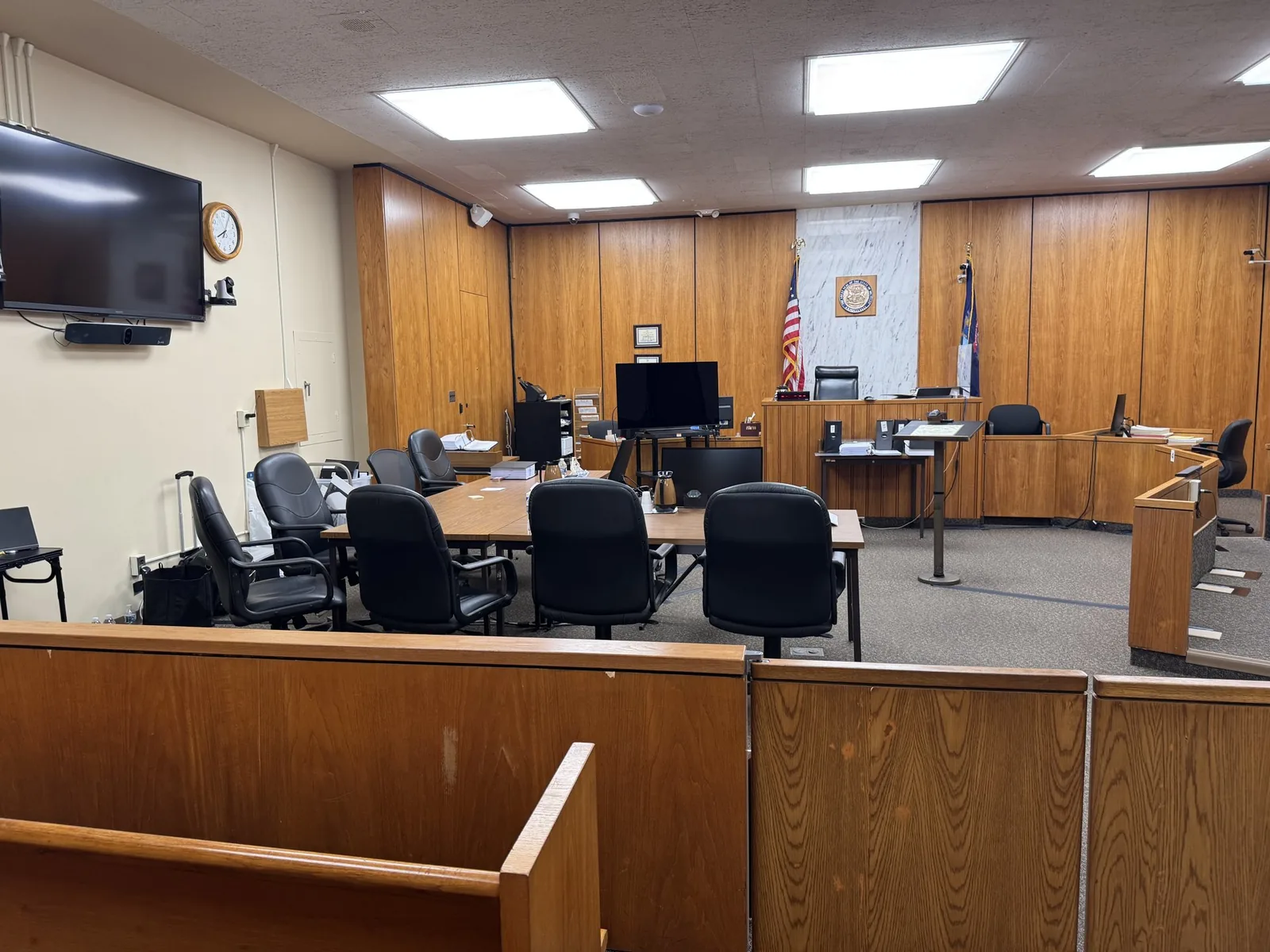
Every Michigan courthouse has its own personality. Wayne County courtrooms do not run quite like those in Kent County or Washtenaw County. Judges have preferences about equipment placement, screen visibility, and how playback should be handled during trial.
A videographer who has worked inside these specific courtrooms already knows the answers before the questions come up. That familiarity saves time. It also prevents the kind of last minute scrambling that rattles an attorney right before trial starts.
State and Federal Procedural Awareness
Michigan court rules and federal rules of civil procedure do not always align perfectly when it comes to video evidence. What satisfies one court may raise questions in another. An experienced legal videographer tracks these distinctions so attorneys do not have to think about them mid case.
This matters even more in multi-state litigation. Testimony recorded in Michigan may eventually need to meet federal admissibility standards somewhere else entirely. Getting the technical foundation right the first time avoids costly reshoots or disputes over authenticity later.
The Video Deposition Process
Before the Deposition
Good deposition video starts well before anyone sits down at the table. Equipment gets tested and backup systems get checked. Coordination happens with the court reporter to make sure everything lines up ahead of time.
- Camera and audio equipment tested and calibrated
- Backup recording devices set up as redundant systems
- Room lighting and framing confirmed in advance
- Coordination with the court reporter on timing and exhibits
During the Deposition
Once the deposition begins, the videographer's job is to stay invisible while staying completely alert. Framing needs to remain consistent, audio needs to stay clear, and timestamps need to track accurately throughout.
Handling objections and off the record requests correctly matters just as much as the recording itself. A skilled legal videographer knows exactly when to pause, when to resume, and how to keep the record clean. Attorneys should never have to think twice about whether the video is being handled properly.
After the Deposition
The work does not end when the camera stops recording. Video-transcript synchronization is where much of the real value gets created for trial preparation.
- Precise syncing between video footage and written transcript
- Preparation of designations and counter-designations
- Clip creation for impeachment or highlight testimony
- Quality checks before delivery to the legal team
Trial Presentation and Courtroom Technology Support
The Mobile Office Approach
Trial day brings its own pressure, and courtroom technology has to work exactly as expected the first time. Schmitzer Video & Trial Services operates on what can best be described as a Mobile Office model. Everything needed to run trial presentation walks into the courtroom fully equipped and self contained.
This means attorneys are not relying on whatever equipment happens to be built into an older courtroom. Monitors, playback systems, and connection setups travel with the trial technician. Everything is ready to adapt to whatever the space requires.
This approach removes a common source of trial day stress. Attorneys no longer need to wonder whether courtroom technology will cooperate. The Mobile Office model exists precisely so that question never has to come up.
Redundant Systems and Backup Equipment
Preparation means planning for the unexpected, not hoping it never happens. Backup equipment sits ready in every trial setup, not as an afterthought but as standard practice.
- Backup recording and playback devices on site
- Redundant power sources and cable setups
- Secondary connectivity options for hybrid testimony
- On-site troubleshooting throughout the trial day
Day-in-the-Life and Demonstrative Video Production
Capturing the Human Side of a Case
Numbers and medical records tell part of a story, but they rarely capture what daily life actually looks like after a serious injury. Day-in-the-life videos give jurors a window into that reality in a way documents alone cannot.
These videos require sensitivity as much as technical skill. The goal is authenticity, not dramatization. A well made day-in-the-life video shows real struggle and real adaptation without ever feeling staged.
Building trust with the family being filmed matters just as much as the technical setup. People need to feel comfortable enough to go about their day naturally. Forced or overly directed footage tends to lose credibility with a jury almost immediately.
Building Visual Evidence Jurors Understand
Jurors respond to what they can see and understand quickly. Demonstrative videos and courtroom visual aids translate complicated facts into something a jury can process without a law degree.
- Medical malpractice timelines shown visually
- Accident reconstruction support materials
- Injury progression documentation over time
- Settlement and mediation video summaries
What Sets an Experienced Legal Videographer Apart
Calm Under Pressure
Depositions run long. Equipment occasionally fails. Attorneys change strategy mid case without warning. None of that should show up in how a legal videographer responds in the moment.
Experience is what allows someone to solve a problem quietly. Everyone else in the room stays focused on the case itself. That calm is not accidental. It comes from having seen nearly every version of things going sideways and knowing exactly how to handle it.
Questions Attorneys Should Ask Before Hiring
Not every legal videographer brings the same level of preparation or experience. A few key questions can reveal a lot before a case is on the line.
- What certification or formal training does the videographer have?
- Is backup equipment standard, or an added cost?
- How much experience exists specifically in Michigan courts?
- What is the typical turnaround time for synced deposition video?
Choosing the Right Fit for High-Stakes Litigation
Hiring a legal videographer is really about hiring peace of mind during some of the highest pressure moments in a case. It is easy to overlook how much this decision matters until something goes wrong at the worst possible time. The right videographer prevents that scenario entirely. They quietly handle the technical side so attorneys can focus on the legal one.
Experience shows up in the details most people never notice. It shows up in a deposition that runs smoothly and a synced video that arrives ready to use. It shows up in a trial day where the technology simply works. That reliability is what attorneys remember long after a case closes, and it is often what brings them back for the next one.
Work With a Legal Videographer Who Understands Michigan Courtrooms
Cases move fast once a trial date gets set. Video preparation works best when it starts early rather than at the last minute. Whether the need is a single deposition or full trial support across multiple weeks, having the right team in place from the beginning makes a real difference.
Schmitzer Video & Trial Services is ready to talk through what a case actually needs. That conversation is always more useful well before anyone steps into a courtroom, not after.
Contact Schmitzer Video & Trial Services
Address: St. Clair Shores, MI
Phone: (555) 000-0000
Email: hello@schmitzervideo.com