There is a strange gap between reading a deposition transcript and watching the moment it describes. On paper, a witness's answer is just text on a line. On video, that same answer carries a pause, a shift in posture, a tone that says more than words alone. Attorneys who have sat through both know which one tells the fuller story.
Transcript synced video depositions close that gap. Every spoken word lines up with its written counterpart, moving together with the transcript instead of existing as two separate records. For litigation teams building a case around testimony, that alignment is not a convenience. It is often the difference between a clip that lands with a jury and one that falls flat.
What Are Transcript Synced Video Depositions
Matching Spoken Testimony to Written Text Line by Line
Synchronization works by aligning timecodes from the video recording with the corresponding lines in the certified transcript. Once synced, a specific page and line number pulls up the precise second of video where that testimony occurred. This is the foundation of everything else built on top of a synced deposition. Without it, designations, impeachment clips, and trial playback all become slower and less reliable.
How Synchronization Differs From Simply Recording and Transcribing Separately
Recording a deposition and transcribing it are two separate tasks. Without synchronization, they remain two separate products that never quite talk to each other. A few key differences stand out below.
- An unsynced video requires manual scrubbing to find a moment, while a synced video jumps straight to it by line number.
- Unsynced footage cannot easily support designations or counter designations tied to transcript citations.
- Synced files integrate with trial presentation software, while raw footage typically does not.
The Software and Process Behind Accurate Syncing
Most synchronization today relies on specialized litigation software that reads the court reporter's transcript file and maps it against the video's timecode. The process is not fully automatic. Skilled technicians review the sync for accuracy and correct any timing drift. Only then is the file considered trial ready.
Why Synced Video Matters More Than a Standard Deposition Recording
Reading a Transcript Versus Watching the Moment
Transcripts are flat. They cannot show a long pause before an answer, a change in confidence, or a witness looking away from the camera. Video restores all of that context. Attorneys reviewing testimony for strategy benefit from seeing it, not just reading it.
Capturing Tone, Hesitation, and Body Language Words Cannot Show
Jurors respond to more than words. A witness who hesitates before answering a key question communicates something a transcript cannot capture. Synced video preserves this nuance while still giving attorneys the searchable structure of the written record. A few things video reveals that text alone misses are listed below.
- Hesitation or delay before answering
- Shifts in tone when a question touches a sensitive topic
- Physical reactions like posture changes or eye contact patterns
What Happens When Testimony Contradicts Itself on the Record
Depositions often stretch across hours or even multiple sessions. Witnesses sometimes contradict earlier statements without realizing it. A synced deposition makes those contradictions easy to locate and pull side by side. That capability becomes critical when preparing for impeachment at trial.
How Synced Depositions Get Used in Trial
Impeachment Clips and Catching Inconsistent Testimony
A witness may testify differently at trial than they did during deposition. When that happens, a synced clip can be pulled instantly to show the contradiction. Because the sync is tied to exact line numbers, there is no scrambling while a jury waits. That speed matters more than attorneys expect, since juries notice hesitation just as much as testimony.
Designations and Counter Designations Made Simple
Designations mark which portions of a deposition each side intends to play at trial. Counter designations mark the opposing side's additions or objections. Synced transcripts make this process far more efficient, as shown below.
- Attorneys can designate by page and line number with confidence the clip will match exactly.
- Opposing counsel can review and respond to counter designations using the same synced reference points.
- Judges ruling on disputed designations can review the precise clip in question without delay.
Playing Clips for a Jury Without Losing Momentum
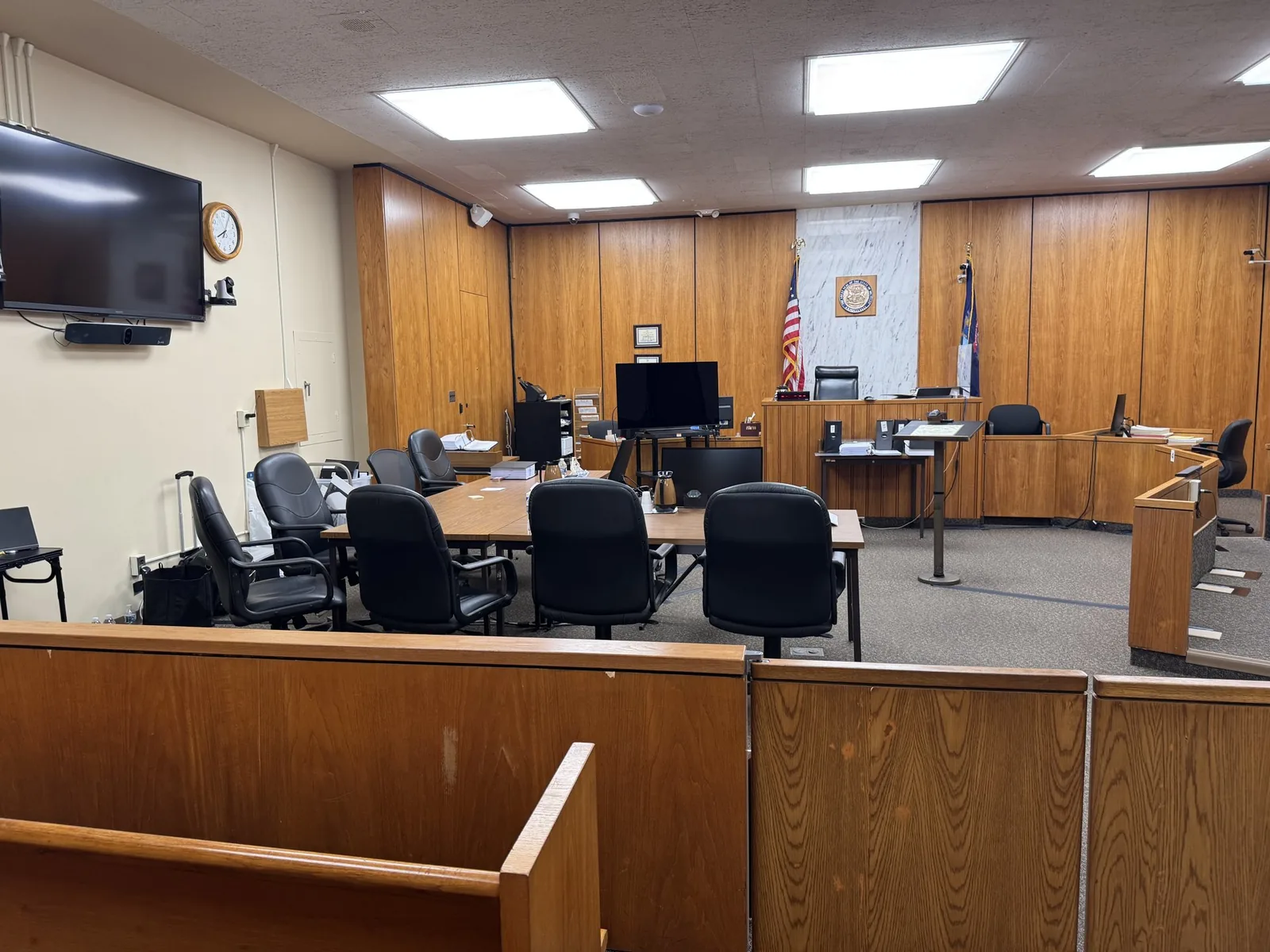
Trial moves fast, and a jury's attention is a limited resource. A synced deposition allows a trial technician to cue up the exact clip needed within seconds. That speed keeps the courtroom's pace intact. Nobody has to pause and search through raw footage while everyone waits.
The Technical Side of Getting Synchronization Right
Timecode Accuracy and Why It Cannot Be an Afterthought
Every second of drift between video and transcript timing creates a small but real risk. Over a multi hour deposition, uncorrected drift can shift clips by several seconds. That is enough to cut off part of an answer or include the wrong response entirely.
Common Errors That Undermine a Synced Video's Credibility
Poor synchronization creates problems that surface at the worst possible time. That is usually in front of a judge or jury. Common issues include the following.
- Clips that start a beat late and cut off the beginning of an answer
- Mismatched line numbers caused by transcript formatting changes
- Audio and video drifting out of alignment during longer sessions
Quality Control Before Trial Day
Reliable synchronization providers build in a review step before delivering the final file. This means checking random samples throughout the deposition. It also means verifying transcript accuracy and confirming the file plays correctly in the trial team's software. Skipping this step is how avoidable errors slip through unnoticed until trial day.
What Attorneys Should Prepare Before the Deposition
Coordinating With the Videographer and Court Reporter
The videographer and court reporter need compatible systems from the start. Confirming this ahead of time saves significant time during post production. A short conversation before the deposition can prevent a much longer one after it.
Setting Expectations for Turnaround Time
Turnaround varies depending on deposition length and the complexity of the transcript. Attorneys facing a tight trial schedule should communicate deadlines early. This allows the synchronization team to plan accordingly. It also avoids rushed quality control at the end, when there is the least room for error.
Questions to Ask Before Hiring a Sync Provider
A few questions can reveal whether a provider is truly equipped to handle the work well.
- What software do you use for synchronization, and is it compatible with our trial presentation platform?
- What quality control steps happen before the file is delivered?
- What is your typical turnaround time for a deposition of this length?
Common Misconceptions About Synced Video Depositions
"Any Court Reporter Can Handle This"
Court reporters are experts in producing accurate transcripts. Synchronization, though, is a separate skill set. It involves specialized software and video timing expertise that most court reporting work does not require. The two roles often overlap on a deposition team but are not interchangeable.
"Syncing Is Just a Post Production Extra"
Treating synchronization as an optional add on leads to rushed work and avoidable errors. When it is planned from the beginning, the result holds up far better under trial pressure. Waiting until after the deposition to think about syncing almost always costs more time in the end.
"One Format Works for Every Courtroom"
Courtrooms use different trial presentation software and different playback systems. A file that works flawlessly in one system may not play correctly in another. Confirming compatibility with the specific courtroom setup ahead of time avoids last minute surprises. No attorney wants those surprises during trial.
Getting It Right the First Time
Synchronization is one of those details that nobody notices when it works and everybody notices when it does not. A clean, accurate sync means an attorney can trust the clip pulled up in front of a jury. There is no wondering whether the timing is off by a few critical seconds.
That kind of reliability comes from experience and a careful process. It comes from a genuine understanding of how synced testimony actually gets used once trial begins. It is not just a technical task. It is part of how a case gets told.
Talk to Schmitzer About Your Next Deposition
Depositions move fast, and the sooner synchronization gets built into the plan, the smoother everything downstream tends to go. A case might be months from trial, or already on the calendar. Either way, getting the technical groundwork right now saves real stress later.
Reach out to Schmitzer Video & Trial Services to talk through your next deposition. Let's map out what a synced workflow could look like for your case.
Contact Schmitzer Video & Trial Services
Address: St. Clair Shores, MI
Phone: (555) 000-0000
Email: hello@schmitzervideo.com