Most attorneys have sat through a deposition where something went sideways. A microphone picked up static instead of speech. A witness's face was half in shadow. A recording had to be redone because nobody checked the audio levels beforehand.
None of that happens by accident, and none of it has to happen at all. Long before a witness raises their right hand, there is a quiet, methodical process taking place in the room. Cameras get positioned. Audio gets tested twice.
Lighting gets adjusted so every expression is visible on playback. This is the part of video deposition services that clients rarely see. Yet it is often the difference between a clean, usable recording and one riddled with problems that surface months later at trial.
In This Article
- Why Preparation Happens Long Before the Camera Rolls
- Deposition Camera Setup: Getting the Shot Right
- Deposition Audio Testing: The Step Most People Overlook
- Lighting and Visual Preparation
- Equipment Redundancy and the Mobile Office Approach
- What This Preparation Really Protects
- Ready to Schedule a Deposition That's Done Right the First Time
Why Preparation Happens Long Before the Camera Rolls
The Deposition Room Is Not a Neutral Space
Every conference room, law office, or remote setup presents its own challenges. Windows create glare at certain times of day. HVAC systems hum quietly in the background. Overhead lighting casts shadows across a witness's face without anyone noticing until playback.
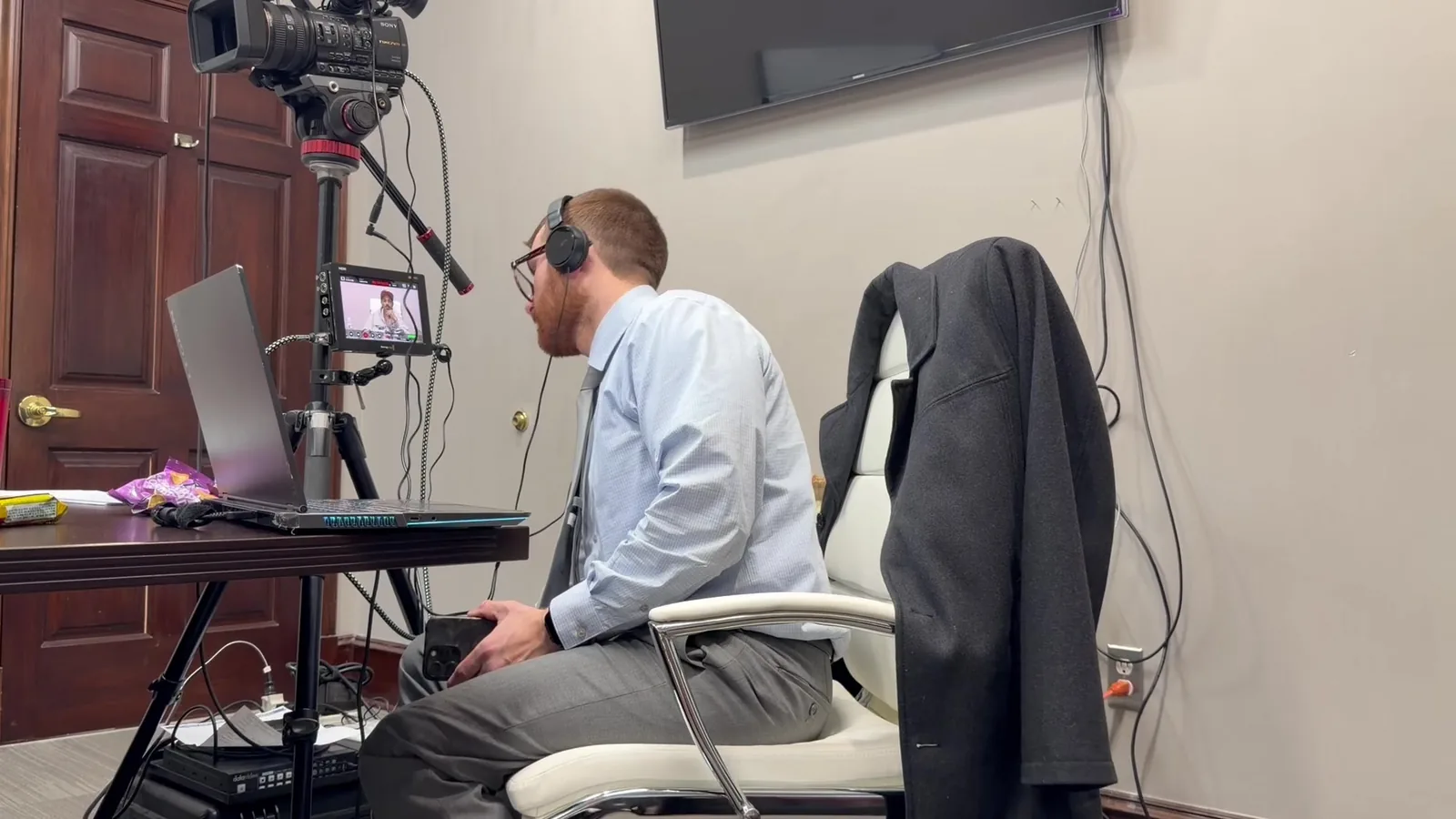
A trial technician walks into that space and immediately sees a list of problems to solve. This happens before introductions are made or coffee is poured. The room gets evaluated the way an inspector might walk a job site.
- Window placement and natural light direction
- Background noise sources like vents or hallway traffic
- Available power outlets for equipment and backups
- Seating arrangement and available space for cameras
What Attorneys Often Don't Realize
Many attorneys assume a video deposition is just a camera pointed at a witness. In reality, preparation involves several systems working together at once. Camera framing, audio capture, lighting balance, and backup recording all get calibrated before a single question is asked.
Skipping any of these steps is how depositions end up unusable for impeachment or trial playback later. A recording that looked fine in the room can reveal problems once it reaches a courtroom screen. Getting it right the first time avoids that risk entirely.
Quick takeaway: A properly prepared deposition room accounts for lighting, sound, and camera angle as three separate technical decisions, not one general setup.
Deposition Camera Setup: Getting the Shot Right
Framing the Witness Properly
The standard deposition shot keeps the witness centered in frame, visible from roughly mid chest up. There's enough headroom to look natural on screen. This framing matters more than most people expect walking into their first recorded deposition.
If the shot is too tight, small reactions get lost. If it's too loose, the witness looks distant and disconnected from the questions being asked.
Jurors reviewing this footage later rely on those visual cues. A hesitation, a glance away, or a shift in posture can carry weight during impeachment testimony. Getting the framing right preserves all of that detail instead of cropping it out of the story.
Camera Angle and Eye Line
Cameras are positioned to capture a natural eye line, typically placed near the questioning attorney. This way, the witness appears to be speaking directly to the viewer. It sounds like a minor detail, but it changes how credible the testimony feels on playback. A witness looking slightly off camera can come across as evasive, even when nothing about their answer suggests that.
Small adjustments to camera height and distance solve this before recording starts. It only takes a few minutes to test and confirm.
Redundant Camera Systems
Professional setups typically include a second camera or recording device running at the same time as the primary system. If one system fails mid-deposition, the second one protects the record without anyone needing to stop and restart. This isn't excessive caution. It's standard practice for anyone serious about protecting the integrity of the testimony.
- Primary camera for main framing and angle
- Secondary camera as a backup recording source
- Separate storage devices to avoid single points of failure
- Battery backups for both systems, fully charged before starting
Deposition Audio Testing: The Step Most People Overlook
Why Audio Matters More Than Video
A blurry frame is forgivable. Inaudible testimony is not. Courts and juries rely on clear audio far more than polished visuals.
That's why audio testing takes priority in the setup process. A video deposition with perfect lighting and unclear sound is still a failed recording.
This is one of those details that separates experienced trial technicians from anyone with a camera and a tripod. Sound quality determines whether the recording holds up months or years later.
What Audio Testing Actually Involves
Before recording begins, a trial technician checks microphone placement and tests sound levels with the witness speaking normally. They also listen closely for background interference. Air vents, hallway noise, and electronic hum are common culprits in office settings.
Lavalier microphones are checked for clothing rustle. Room microphones are checked for echo against hard surfaces.
- Microphone placement and clip security on clothing
- Sound level checks with the witness speaking at normal volume
- Background noise identification and reduction where possible
- Secondary audio recording running as a backup throughout
Many People Don't Realize This Happens Twice
Audio gets tested once during initial setup, then again immediately before the deposition officially begins. Witnesses shift in their seats or adjust their microphones between that first test and the actual start. A second check catches those small changes before they turn into a problem on the final recording.
Skipping that second check is a common mistake among less experienced setups. It's a small step that takes less than a minute but prevents hours of frustration later.
Lighting and Visual Preparation
Balancing Natural and Artificial Light
Conference rooms with large windows create a specific challenge for legal video preparation. Natural light shifts throughout the day. A setup that looks fine at nine in the morning can look completely different by noon. Trial technicians account for this with controlled artificial lighting that stays consistent all day.
This matters especially for depositions that run several hours. Nobody wants a recording where the witness starts in daylight and ends in shadow.
Avoiding Shadows and Glare
Overhead fluorescent lighting is common in law offices. It tends to create harsh shadows under the eyes and along the jawline. Left uncorrected, this can make a witness look tired, evasive, or simply hard to see clearly on playback. Softening that lighting, or adding a secondary light source, keeps expressions visible and natural.
- Supplemental lighting to counter harsh overhead fixtures
- Diffusion tools to soften shadows around the face
- Adjustments throughout the day as natural light shifts
- Final visual check before recording to confirm consistency
Equipment Redundancy and the Mobile Office Approach
Why Backup Systems Are Standard, Not Optional
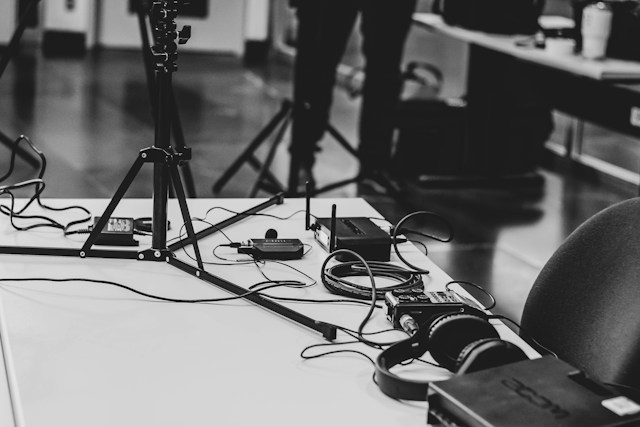
A dead battery or a failed hard drive should never be the reason a deposition gets rescheduled. Legal video preparation includes backup batteries, backup storage drives, and backup audio recorders on every job. These get set up and tested before the witness ever walks into the room.
This redundancy isn't about expecting something to go wrong. It's about making sure that if something does, nobody notices, and the deposition continues without interruption.
Arriving Prepared for Any Location
Depositions happen in law offices, corporate boardrooms, hotel conference rooms, and occasionally in less conventional spaces. A mobile office approach means arriving with everything needed to produce a professional recording regardless of the room's limitations. The goal is never relying on the location to provide anything beyond a table and enough chairs.
- Portable lighting kits for rooms with poor overhead lighting
- Backup power sources for locations with limited outlets
- Full audio and video redundancy built into every setup
- Cables, mounts, and adapters for unexpected room configurations
Quick takeaway: Redundant equipment is not about expecting failure. It's about making sure a single technical hiccup never costs an attorney their record.
What This Preparation Really Protects
The work that goes into a video deposition rarely gets mentioned in case notes or trial prep memos. Still, it shapes everything that happens afterward. A clean recording with clear audio and steady framing gives attorneys something they can actually use. That might mean reviewing testimony months later or playing a clip in front of a jury.
None of this happens by luck. It happens because someone checked the microphone twice and tested the lighting before the witness arrived. A backup system was running just in case. That kind of preparation is what separates a usable deposition from one that creates headaches down the road.
Ready to Schedule a Deposition That's Done Right the First Time
An upcoming deposition deserves a team that shows up prepared and tests everything twice. Schmitzer Video & Trial Services treats the recording with the same seriousness as the testimony itself, and is ready to help.
Reach out to discuss scheduling or ask questions about equipment and setup. A straightforward answer about deposition day is always available.
Key Takeaway
Professional video deposition services rely on careful camera placement, clear audio, controlled lighting, and backup equipment before testimony begins. Thorough preparation helps create a reliable recording that attorneys can confidently use for case review, impeachment, or trial playback.
Planning a trial or deposition in Michigan? Let us make the technology the last thing you have to worry about.
Request a Consultation