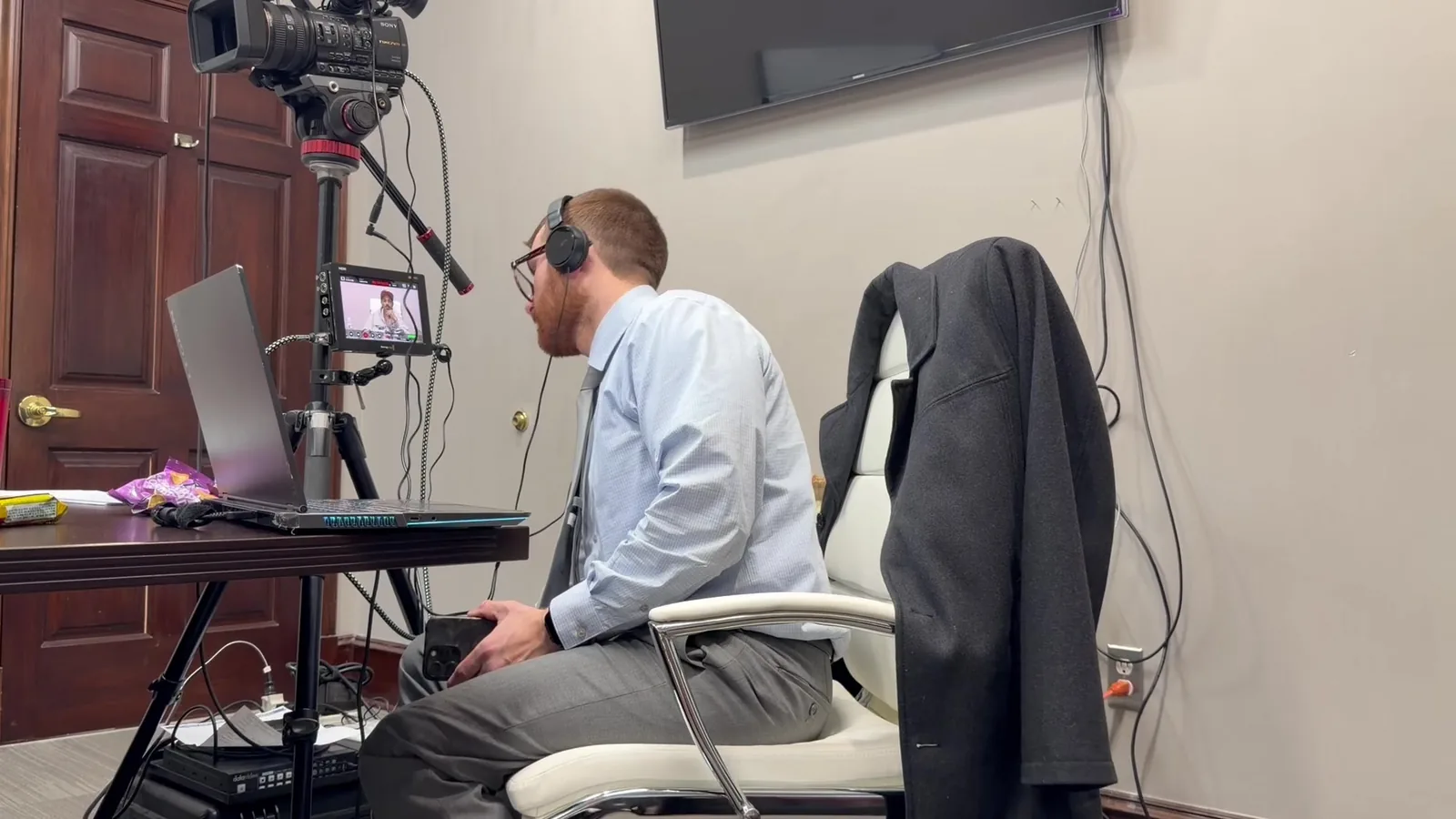
A treating physician sits for a deposition in a cramped conference room. The session is recorded the way most depositions are, with one wide shot, one microphone, and no real plan for the exhibits. Months later, the video plays for a jury. The doctor keeps saying "as you can see here" while pointing at an MRI that never appears on screen.
Nothing went wrong with the camera. It captured exactly what it was set up to capture, and that was the problem. Legal video expert witness testimony is often the most persuasive evidence a jury hears. The way it gets recorded shapes whether jurors understand it, trust it, and remember it.
Two Recordings With Two Very Different Jobs
What a Standard Recorded Deposition Is Built to Do
Most depositions exist to create a record. Counsel wants the witness committed to a version of events well before trial. Video adds tone and demeanor to the written transcript. Common reasons to record a standard deposition include:
- Preserving testimony in case a witness becomes unavailable
- Locking in answers for later impeachment
- Discovery on facts, timelines, and documents
- Giving the trial team a visual reference during case preparation
Why Expert Testimony Carries a Heavier Load
An expert isn't just recalling events. They teach, explain, and interpret evidence jurors have never seen before. A cardiologist walks through an echocardiogram. An accident reconstructionist explains skid marks and crush damage.
Whether any of that lands depends on more than the words. Clarity, confidence, and how well the visuals come through on screen all shape how jurors receive it.
The Audience Changes Before the Camera Starts Rolling
A standard deposition is mostly recorded for the attorneys. Expert deposition video is often recorded for a jury that hasn't been seated yet. That shift should drive every decision in the room. Framing, audio, exhibit handling, and pacing all need to be planned with future jurors in mind.
Side by Side: Expert Deposition Video and a Standard Recording
| FACTOR |
STANDARD RECORDED DEPOSITION |
EXPERT DEPOSITION VIDEO |
| Primary purpose |
Preserve and lock in testimony |
Teach and persuade a future jury |
| Chance of trial playback |
Possible, often in short excerpts |
High, sometimes played in full |
| Exhibit volume |
Light to moderate |
Heavy, often visual and technical |
| Camera setup |
Single fixed shot |
Witness plus exhibit, often picture-in-picture |
| Audio demands |
Standard clarity |
Precise capture of technical terms |
| Post-production |
Basic transcript sync |
Sync, designations, and objection edits |
| Pre-session coordination |
Minimal |
Exhibit review, room check, and timing |
Where the Differences Show Up Before Recording Begins
The real work starts days before the expert arrives. A trial-focused videographer wants to know which exhibits will be used and in what format. They also want to know whether the expert plans to draw, annotate, or handle a physical model. Room layout matters too, because a crowded table can block the shot of a key demonstrative.
Where the Differences Matter Most at Trial
The true test of legal video expert witness testimony comes months later in the courtroom. A weak recording creates problems that are hard to fix once trial begins:
- Designations that cut off mid-explanation because voices overlap
- Exhibits referenced aloud but never visible on screen
- Awkward edits that make an objection ruling obvious to jurors
- A recorded expert who looks flat next to live witnesses for the other side
How Professional Legal Video Handles Exhibits During Expert Testimony
Picture-in-Picture and Split-Screen Framing
Picture-in-picture keeps the expert's face on screen while the exhibit fills the frame. Jurors can watch the witness react, gesture, and explain without losing the visual. Split-screen works well when an expert compares two images, such as before-and-after scans. Either format keeps credibility and content in the same view.
Capturing Annotations, Models, and Imaging in Real Time
Different kinds of expert material call for different capture methods. Professional legal video teams plan for items like these:
- Radiology films and MRI scans shown on a lightbox or monitor
- Anatomical models the expert handles while explaining
- Engineering drawings and accident reconstruction diagrams
- Financial spreadsheets and damages charts
- Hand-drawn sketches or live on-screen annotations
Keeping Exhibit References Aligned With the Transcript
When the expert says "Exhibit 14," the video and the certified transcript must point to the same thing. Mismatched numbering causes confusion during designations. It also slows down playback when counsel needs a clip fast. Careful exhibit tracking during the session prevents that headache later.
Medical Expert Testimony Raises the Stakes
Translating Clinical Language for Lay Jurors
Medical expert testimony is full of terms most jurors have never heard. Words like "dehiscence" or "subarachnoid hemorrhage" need to come through clearly on the first listen. Good framing also captures the hand gestures physicians naturally use to describe anatomy. Those small details help jurors follow along without feeling lost.
When the Physician Won't Be at Trial
Many physicians testify only through video. Clinic schedules and surgery calendars rarely line up with a trial date. In these cases, a de bene esse deposition preserves the testimony for use in place of a live appearance. Michigan court rules, including MCR 2.315, address how video depositions are recorded and handled.
Recording in a Physician's Office Instead of a Conference Room
Medical depositions often happen wherever the doctor happens to be available. That brings challenges a conference room rarely does:
- Small exam rooms or crowded offices with little space for equipment
- Fluorescent lighting that flattens faces on camera
- Overhead paging systems and ringing phones
- HVAC noise that competes with soft-spoken witnesses
- Limited outlets and tight windows between patients
Technical Details That Separate Expert Video From a Routine Recording
Audio Clarity for Technical Vocabulary
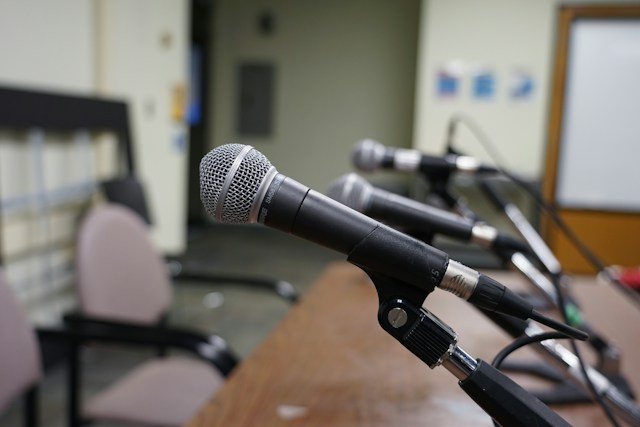
Audio carries more weight in expert testimony than most people expect. A mumbled drug name or clipped measurement can change the meaning of an answer. Clean audio also helps the court reporter and supports accurate transcript sync later. Dedicated microphones for each speaker keep crosstalk from burying key testimony.
Lighting and Framing That Support Credibility
Jurors form impressions quickly, even from video. Harsh shadows, a low camera angle, or a cluttered background can make a qualified expert seem less authoritative. Nobody in the jury box will say why they felt that way. Thoughtful lighting and eye-level framing simply let the expert's knowledge come through.
Redundancy Built Into the Setup
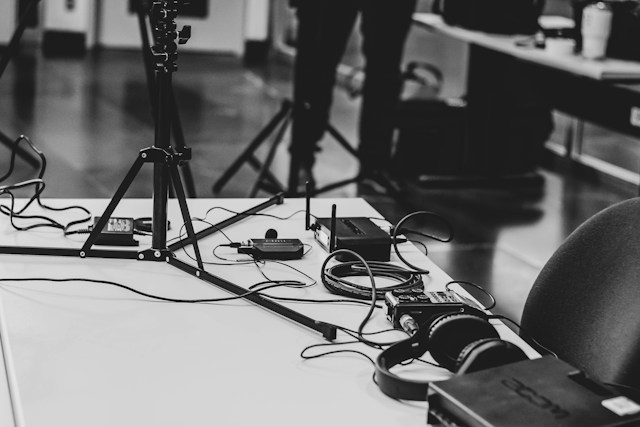
Expert sessions are expensive and hard to reschedule. Schmitzer approaches each one like a Mobile Office, arriving with backups for everything that matters:
- A secondary recording device running at the same time
- Backup microphones and spare cables
- Battery and power backup
- Duplicate storage media for every session
- Extra display options for exhibits
What Happens to Expert Video After the Deposition Ends
Transcript Synchronization and Designations
Transcript Synchronization and syncing the video to the certified transcript turns hours of footage into searchable, precise testimony. Counsel can pull designations and counter-designations by page and line. Opposing edits become easier to review and resolve. For expert witnesses, that precision protects the flow of complex explanations.
Editing Around Objections and Rulings
Once the court rules on objections, the expert deposition video needs clean edits. Common changes include:
- Removing testimony tied to sustained objections
- Cutting colloquy between counsel
- Trimming off-record segments and long pauses
- Smoothing transitions so edits don't distract jurors
Getting the Footage Courtroom Ready
Finished clips still have to play reliably in the courtroom. That means testing files on the actual AV system whenever possible. It also means having backup copies and a clear playback order before trial day begins. Stable courtroom playback keeps attention on the expert rather than the equipment.
The Recording Is Only as Strong as the Plan Behind It
Expert video is really trial evidence that happens to be created during discovery. Once a legal team sees it that way, choices about framing, exhibits, and audio feel less technical and more strategic. An expert's knowledge only helps if jurors can follow it. Recording decisions determine how much of that knowledge actually reaches the jury box.
Attorneys who plan for playback early rarely scramble later. Their clips cut cleanly, their exhibits appear when referenced, and their experts look as credible on screen as they do in person. That kind of result comes from preparation, not luck. It is also far easier to build in from the start than to repair after the fact.
Bring Schmitzer In Before Your Expert Takes the Oath
John Schmitzer II has spent more than 13 years recording depositions and supporting trials across Southeast Michigan. He plans expert sessions with the courtroom in mind, from the first exhibit review through final playback. Whether your witness is a surgeon, an engineer, or an economist, the goal is the same: testimony that holds up in front of a jury.
Key Takeaway
Expert witness video requires more planning than a standard recorded deposition because the testimony often needs to educate and persuade a future jury. Careful exhibit handling, clear audio, professional framing, transcript synchronization, and courtroom-ready editing help complex expert testimony remain understandable and effective.
Planning a trial or deposition in Michigan? Let us make the technology the last thing you have to worry about.
Request a Consultation