Many attorneys assume trial technology is reserved for big firms with big budgets. It's a common belief, and an understandable one. Large litigation teams often get the spotlight in high-profile trials, complete with synchronized video and polished courtroom presentations.
But that visibility creates a myth. Solo practitioners and small firms often believe professional trial support isn't built for them. Some assume it requires a dedicated IT department. Others assume the cost simply isn't worth it for a smaller caseload.
In reality, courtroom technology and trial presentation services can scale to fit a case of any size. A single deposition deserves the same preparation as a multi-week trial. This misconception may be costing smaller firms a real advantage in front of a jury, and it's worth examining closely.
In This Article
- The Myth: Trial Technology Is Only for Large Firms with Big Budgets
- The Reality: Trial Technology Is Scalable and Accessible
- Why This Misconception Persists
- What Professional Trial Support Actually Looks Like for Smaller Cases
- What Attorneys Should Know Before Their Next Trial
- Trial Readiness Isn't a Matter of Firm Size
The Myth: Trial Technology Is Only for Large Firms with Big Budgets
The assumption is simple. Attorneys picture in-house IT departments, massive AV budgets, and support staff dedicated solely to trial preparation. This image suggests professional trial technology only belongs in courtrooms with seven-figure verdicts on the line.
It's easy to see why this belief took hold.
- Large, publicized trials often showcase advanced courtroom technology
- Marketing from bigger firms emphasizes their resources and scale
- Smaller firms rarely see case studies that reflect their own size or budget
- Cost assumptions go unchallenged without direct information
- Industry conversations tend to focus on complex, high-dollar litigation
The Cost Assumption Rarely Gets Tested
Many attorneys never actually ask what trial technology support costs for a smaller case. They assume the price tag matches what they've heard about large, complex litigation. Without a direct conversation, that assumption goes unchallenged year after year. A quick inquiry often reveals a very different picture than expected.
The Reality: Trial Technology Is Scalable and Accessible
Professional trial presentation services aren't built exclusively for large-scale litigation. They're designed to flex based on the needs of the case, not the size of the firm behind it. A solo attorney handling a single case deserves the same level of courtroom readiness as a team managing a multi-week trial.
Scalability works in both directions. A large firm can bring in a full team for a complex, multi-party trial. A solo attorney can bring in a single trial technician for one deposition or one day in court. Both approaches rely on the same core principle: preparation matched to the case, not the budget.
Jurors Expect Clarity, Regardless of Firm Size
Jurors don't evaluate a case differently because it comes from a smaller firm. They respond to clear presentation, organized evidence, and confident delivery. A well-prepared solo attorney can present just as effectively as a large litigation team, especially with the right trial technology behind them. Jurors simply notice preparation, not firm size.
The "Mobile Office" Approach Applies to Every Case
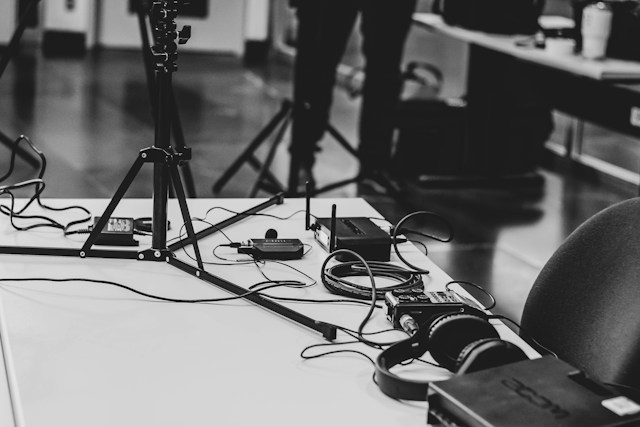
Preparation, redundant systems, and backup equipment aren't reserved for the largest trials. This "mobile office" mindset means showing up courtroom-ready every time, regardless of case size. Whether it's a single deposition or a full trial, the same principles apply:
- Backup equipment in case of technical issues
- Redundant systems that prevent last-minute disruptions
- Calm, prepared support under pressure
- Courtroom-ready setup that doesn't depend on firm size
- Consistent process, whether the case lasts one day or six weeks
Case Complexity, Not Firm Size, Drives Scope
The right question isn't how big the firm is. It's how complex the case is, and what the courtroom requires. A single-witness deposition needs far less setup than a multi-week trial with dozens of exhibits. Scaling to the case, rather than assuming based on firm size, keeps support relevant and cost-effective.
Why This Misconception Persists
Limited Visibility Into Available Services
Many attorneys simply haven't seen trial technology services applied to smaller cases. Without a direct example, it's easy to assume these services don't extend beyond major litigation. Most marketing and case studies naturally highlight the biggest, most dramatic wins. Smaller, everyday cases rarely get the same attention, even though they make up the bulk of most litigation.
Past Experiences with Complex or Costly Vendors
Some attorneys have worked with AV vendors who required extensive equipment, staff, or setup time. Those experiences can create a lasting impression that trial technology is inherently expensive or complicated. In reality, that experience often reflects the vendor, not the service itself. A trial technician who scales support to the case can avoid unnecessary equipment and unnecessary cost.
Word-of-Mouth Centers on High-Profile Trials
Multi-week trials and high-profile cases tend to generate the most conversation. Everyday cases involving depositions, playback, or synced testimony rarely make headlines. This creates a skewed perception of who these services are actually for. Attorneys hear about the exception, not the everyday case that quietly benefits from the same support.
What Professional Trial Support Actually Looks Like for Smaller Cases
Courtroom-Ready Setup Without the Overhead
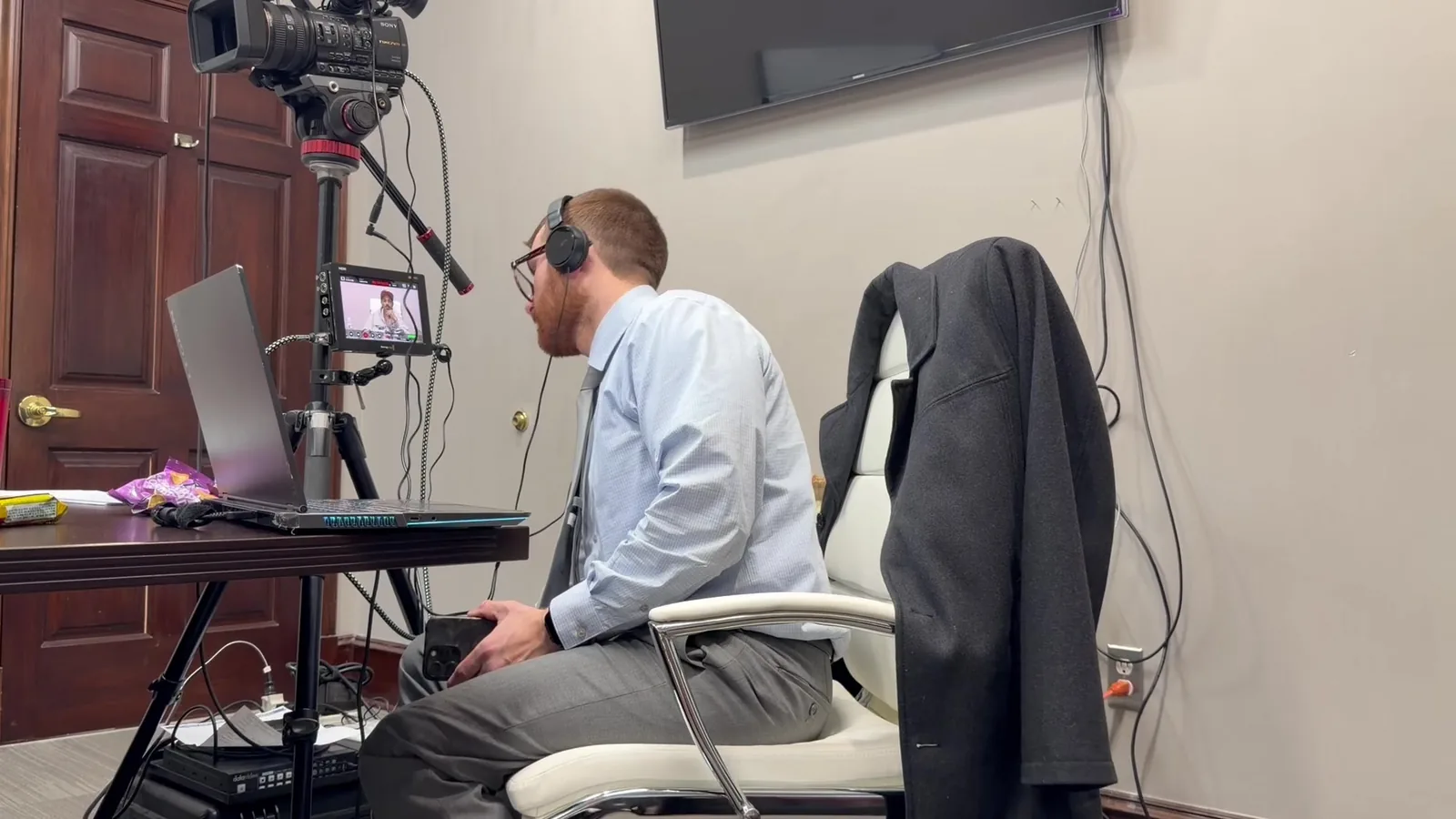
A single trial technician can manage courtroom AV, exhibit presentation, and playback for a case of any size. There's no need for a large team when the setup is designed to be efficient and prepared. This keeps costs proportional to the case itself. A solo attorney pays for what the case needs, not for unused capacity.
Scaled Deposition and Transcript Services
Video depositions, synchronized transcripts, and playback services aren't limited to complex, multi-party litigation. These services scale down naturally for a single-attorney caseload. A solo practitioner can request the same synced video and transcript accuracy used in larger cases. The process stays consistent, whether there's one deposition or a dozen.
Remote and Hybrid Testimony Coordination
Remote expert testimony and hybrid trial support can reduce costs for smaller firms significantly. Instead of paying for travel and additional staffing, attorneys can coordinate witnesses remotely with the same level of professionalism. This flexibility often makes trial technology more accessible, not less. An expert witness in another state no longer requires a plane ticket or a lost day of preparation.
- One technician can cover courtroom AV, playback, and exhibits
- Deposition and transcript syncing scales to caseload size
- Remote testimony reduces travel costs and scheduling conflicts
- Setup and equipment match the complexity of the case
Flexibility Built Around the Attorney's Schedule
Solo attorneys and small firms often juggle multiple roles at once. Scalable trial support fits into that reality, rather than demanding a large coordination effort. Scheduling a single deposition doesn't require the same lead time as coordinating a full trial team. This flexibility allows smaller firms to access professional support without disrupting their existing workflow.
What Attorneys Should Know Before Their Next Trial
Questions Worth Asking
Before hiring trial support, attorneys should consider a few key questions.
- Can this service scale up or down based on case size?
- Does the provider bring backup equipment and redundant systems?
- How does the technician perform under high-pressure situations?
- Is remote or hybrid testimony coordination available if needed?
- Does the provider understand courtroom logistics, not just recording equipment?
- Will the same technician handle depositions through trial, or will it change hands?
Preparation Matters More Than Firm Size
A firm's size doesn't determine how well a case is presented. Preparation, professionalism, and the right technology partner make the difference. Smaller firms that invest in proper trial support often present with the same clarity and confidence as their larger counterparts. Over time, that consistency builds a reputation that has nothing to do with headcount.
A Partner for Firms of Any Size
Trial technology support should feel approachable, not intimidating. Attorneys shouldn't need a large firm behind them to access courtroom-ready presentation, synced testimony, or dependable playback services. The right partner works with cases of every size, bringing the same preparation and professionalism to each one, whether it's a single deposition or a multi-week federal trial.
The Long-Term Value of Getting This Right
Choosing the right trial support isn't just about one case. It's about building a reliable process attorneys can count on for every case that follows. A consistent partner who understands courtroom logistics saves time on future cases, since the groundwork for preparation is already established. Over the course of a career, that consistency often matters more than any single verdict.
Trial Readiness Isn't a Matter of Firm Size
Trial technology isn't about firm size. It's about being prepared, courtroom-ready, and equipped to present a case clearly under pressure. That preparation matters just as much for a solo attorney's single case as it does for a large firm's multi-week trial.
The myth that trial technology belongs only to big firms overlooks what these services are actually designed to do. They scale to the case, not the budget behind it. Attorneys of every size deserve the same courtroom-ready support and the same confidence walking into trial.
Ready to Present Your Case with Confidence?
Every case deserves professional, courtroom-ready support. Explore how trial presentation services can scale to fit your practice, or schedule a consultation to discuss your upcoming case.
Key Takeaway
Trial technology isn't just for large law firms. Scalable trial support helps attorneys of every size present cases with confidence.
Planning a trial or deposition in Michigan? Let us make the technology the last thing you have to worry about.
Request a Consultation