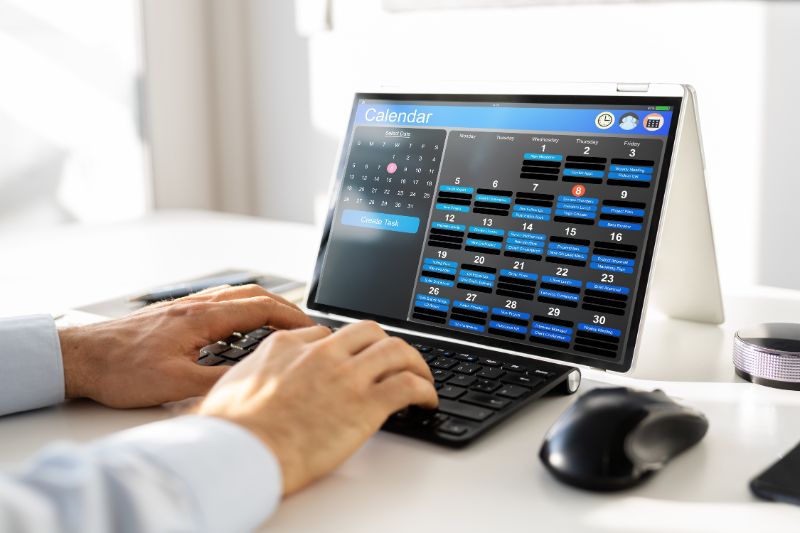
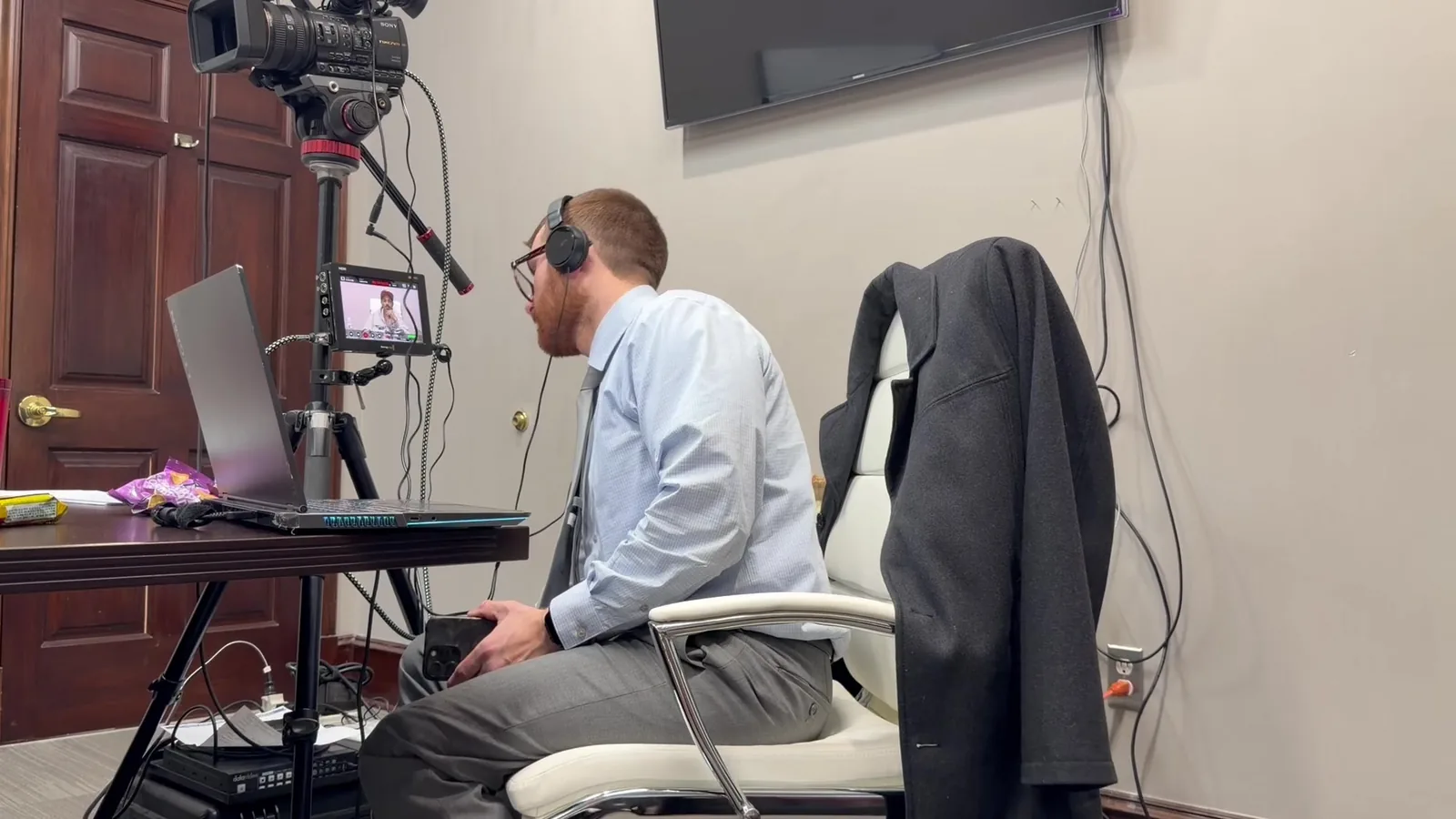
Every summer, court calendars start to fill fast. Judges push to clear dockets before fall backlogs build. Attorneys find themselves juggling multiple trial dates within weeks of each other.
For litigation teams, this creates a familiar scramble. Trial techs get booked out. Courtroom equipment gets stretched thin. Firms that wait too long to plan often find themselves securing support at the last minute, with little room for error.
This time of year rewards preparation. Teams that plan their courtroom technology early walk into trial with confidence. Teams that don't often find out too late what was missing.
In This Article
- Why Summer Trial Season Creates Unique Pressure
- What Happens When Technology Isn't Ready
- Common Causes of Summer Trial Tech Breakdowns
- What Prepared Trial Technology Actually Looks Like
- Next Steps: Preparing Before the Docket Fills Up
- Preparation Is What Separates a Smooth Trial from a Stressful One
Why Summer Trial Season Creates Unique Pressure
Summer isn't just busier. It's busier in ways that create real logistical strain for legal teams and the trial support professionals they depend on.
Many courts push to resolve pending cases before judicial recesses or the fall filing surge. That means more trials get scheduled in a shorter window. Attorneys end up managing overlapping deposition prep, trial prep, and courtroom appearances at the same time.
The Resource Crunch Nobody Talks About
Experienced trial technicians and courtroom AV specialists are in high demand during this stretch. There are only so many qualified professionals available on any given week. Firms that assume support will be there when they need it often discover otherwise.
- Multiple trials competing for the same courtroom tech resources
- Fewer available dates for pre-trial walkthroughs and equipment testing
- Court staff managing their own compressed schedules
- Less flexibility if a trial date shifts unexpectedly
There's also a common misconception worth addressing directly. Many firms assume courtroom AV and technical support are always available on short notice. During peak season, that assumption can lead to real problems.
What Happens When Technology Isn't Ready
Operational Impact
A delayed trial start affects everyone in the room. Judges lose patience. Attorneys lose valuable prep time they can't get back. Every minute spent troubleshooting equipment is a minute not spent on the case itself.
Financial Impact
Continuances are expensive. Clients absorb the cost of extended litigation timelines. Firms absorb the cost of rescheduled trial prep, additional witness coordination, and lost billable hours spent managing avoidable delays.
Case Impact
This is where the stakes get highest. Exhibits that don't display correctly can undercut a carefully built argument. Synced video that lags during a key deposition clip breaks the narrative a legal team worked hard to construct. Remote testimony connections that drop mid-examination can derail momentum at the worst possible moment.
- Exhibits that fail to load or display properly
- Synced deposition video that stutters or misaligns with transcript
- Remote or hybrid witness connections that lose stability
- Backup systems that don't exist when the primary system fails
The Credibility Cost
Juries notice more than attorneys sometimes realize. A courtroom that runs smoothly signals preparation and professionalism. A courtroom disrupted by technical issues can quietly undermine the credibility a legal team has worked to build.
Common Causes of Summer Trial Tech Breakdowns
Booking Support Too Late
Trial support professionals get booked out weeks or months in advance during peak season. Firms that wait until a trial date is confirmed often find their preferred trial tech already committed elsewhere. This forces last-minute substitutions or rushed onboarding.
Relying on a Single Point of Failure
Many teams still rely on one laptop, one connection, or one piece of equipment with no backup plan. If that single system fails, there's nothing to fall back on. This is one of the most preventable causes of courtroom disruption.
Unfamiliar Courtroom Quirks
Every courtroom has its own AV setup, its own quirks, and its own limitations. A trial tech who hasn't scouted the specific courtroom in advance may run into surprises. These surprises are far more common when trial teams skip a pre-trial walkthrough.
Rushed Remote Testimony Setups
Remote and hybrid testimony require more coordination than a standard in-person deposition. Connections need to be tested. Backup contact methods need to be in place. When these setups get rushed due to a compressed summer schedule, the risk of a mid-testimony failure increases significantly.
- Insufficient bandwidth testing at the remote witness location
- No backup communication method if the primary connection drops
- Unclear coordination between courtroom staff and remote participants
- Skipped test runs due to time constraints
Staffing and Scheduling Shifts
Summer often brings staffing changes at courthouses, along with shifting schedules for court personnel. A trial tech who isn't experienced in adapting to these shifts can struggle to keep pace. Familiarity with courtroom procedures matters more than most teams realize.
What Prepared Trial Technology Actually Looks Like
Redundant Systems as Standard Practice
Backup equipment shouldn't be an afterthought. It should be built into every trial setup from the start. This means backup laptops, backup connections, and backup power sources ready to go if the primary system fails.
- A backup device for every critical piece of equipment
- Redundant internet connections for remote testimony
- Pre-loaded exhibits stored in multiple accessible formats
- A contingency plan communicated to the legal team in advance
Early Courtroom Walkthroughs
Scouting the courtroom before trial day removes guesswork. A trial tech who has already coordinated with courtroom AV, tested projector compatibility, and confirmed monitor placement walks in prepared. This kind of walkthrough often reveals issues that would otherwise surface mid-trial.
Pre-Trial Testing of Every Component
Synced video, exhibit playback, and remote connections should all be tested before the trial begins, not during it. This includes confirming transcript synchronization, verifying video quality, and running a full test of any remote testimony setup.
A Mobile Office Approach
The best trial support operates like a mobile office. Everything the trial requires travels with the team, fully set up and courtroom ready. This approach reflects a simple philosophy: preparation matters, presentation matters, and clients deserve to feel supported in high-stakes moments.
Experience Under Pressure
Even the most prepared trial can encounter an unexpected issue. What matters most at that point is having a trial technician who has handled last-minute changes before and stays calm under pressure. That composure often makes the difference between a brief pause and a serious disruption.
Next Steps: Preparing Before the Docket Fills Up
The best time to prepare for summer trial season is before the calendar fills up. Waiting until a trial date is confirmed often means settling for whatever support is still available.
A few practical steps can make a significant difference:
- Secure trial support as soon as a trial date is set
- Schedule a courtroom walkthrough well ahead of trial day
- Confirm backup equipment and redundant systems are in place
- Test remote testimony connections early, not the week of trial
- Communicate with your trial tech about case-specific needs in advance
Firms that take these steps consistently report smoother trial experiences, even during the busiest stretches of the year. Preparation doesn't eliminate every variable in a trial. It does eliminate the variables within your control.
Preparation Is What Separates a Smooth Trial from a Stressful One
Summer trial season puts pressure on every part of the litigation process, including the technology behind it. Courtroom AV, synced video, and remote testimony all need to function seamlessly under a compressed schedule. When they don't, the cost falls on the legal team and the client.
Schmitzer Video & Trial Services was built around a simple idea: preparation matters more than anything else in a high-stakes courtroom. This isn't just video production. It's courtroom technology coordination, trial presentation consulting, and litigation support built for the moments that matter most.
Get Your Trial Dates Covered Before the Summer Rush
Summer court calendars fill quickly, and trial support professionals get booked out just as fast. If you have an upcoming trial date, now is the time to confirm your courtroom technology support.
Schmitzer Video & Trial Services helps attorneys and litigation teams prepare with redundant systems, early courtroom coordination, and calm, experienced trial technicians. Reach out today to discuss your upcoming trial dates and make sure your team is covered before the season gets busier.
Key Takeaway
Prepare for summer trial season with courtroom technology, backup systems, and trial support that keep your case running smoothly under tight schedules.
Planning a trial or deposition in Michigan? Let us make the technology the last thing you have to worry about.
Request a Consultation