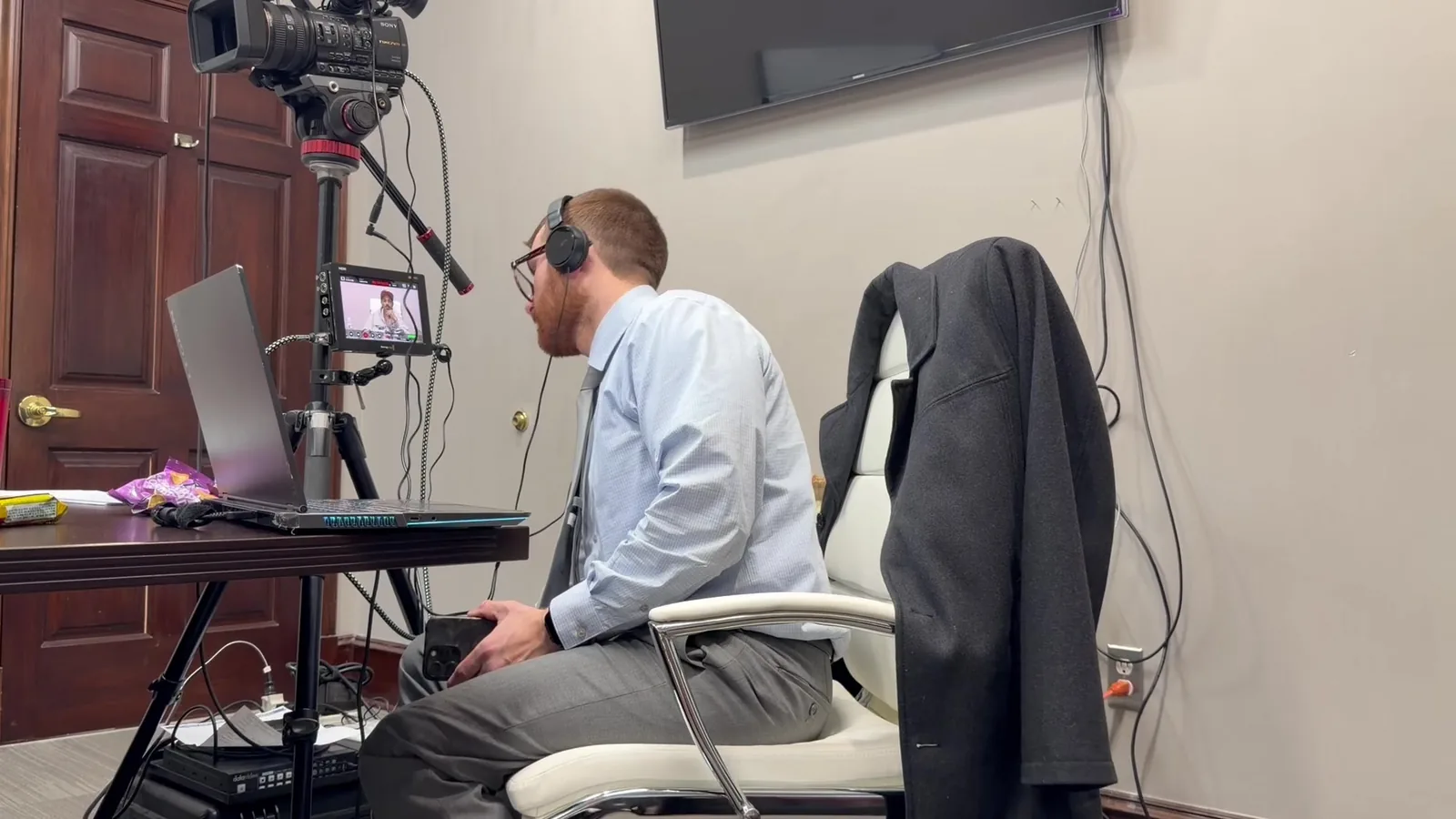
An attorney walks into a courthouse she's tried a dozen cases in. She knows the security line, the courtroom layout, even which outlet works best near counsel table. Two weeks later, she's in a different county for a similar case. Suddenly, nothing is quite where she expects it to be.
This scenario plays out constantly across Southeast Michigan. Attorneys here rarely stay confined to one courthouse. They move between Wayne, Oakland, Macomb, Washtenaw, and beyond. Often this happens within the same month, sometimes within the same week.
Each courthouse runs a little differently. Technology varies. Security procedures vary. Even judges' personal preferences for how evidence gets presented can shift the plan entirely.
In This Article
- Why Courthouse Differences Matter for Trial Presentation
- A Look at Southeast Michigan's Courthouse Landscape
- How Schmitzer Video & Trial Services Prepares for Each Courtroom
- Common Questions Attorneys Ask About Courthouse-to-Courthouse Support
- Consistency in an Inconsistent System
Why Courthouse Differences Matter for Trial Presentation
AV Equipment and Infrastructure
Not every courtroom has the same technology built in. Some have modern, integrated AV systems ready to go. Others rely heavily on whatever equipment the trial team brings with them.
- Screen size and placement can differ significantly between courtrooms
- Some courtrooms have built-in evidence display systems; others do not
- Audio quality and speaker placement vary by building age and renovation history
- Available power outlets near counsel tables aren't always where you'd expect
Courtroom Layout and Sightlines
Jury box placement isn't standardized. Neither is the distance between the presentation screen and the witness stand. A setup that gives every juror a clear sightline in one courtroom might leave several jurors straining in another.
Judge Preferences
Judges often have their own expectations for how evidence gets presented. Some prefer minimal technology and a simpler approach. Others expect polished, synchronized video and are comfortable with more elaborate setups. Knowing this in advance changes how a trial team prepares. It can also affect how much setup time is realistic before a hearing begins, since some judges prefer a quiet courtroom well before proceedings start.
Security and Check-In Procedures
Every courthouse has its own process for bringing in equipment. Some require advance notice for outside AV gear. Others have stricter screening for cases, cables, or laptops. A delay at security can eat into setup time that trial teams don't have to spare. Knowing the specific requirements ahead of time turns a potential bottleneck into a routine part of arrival.
WiFi and Connectivity
Reliable internet access isn't guaranteed everywhere. Some courthouses have strong, consistent connectivity built into every courtroom. Others have spotty coverage that depends on which floor or wing you're in. This matters most for cases involving remote testimony or hybrid trial support, where a dropped connection can disrupt proceedings in front of a jury.
Scheduling and Courtroom Availability
Courtroom assignments can shift right up until trial day. A case might get moved to a different room with a different layout than the one a trial team prepared for. Building flexibility into the setup plan helps absorb these last-minute changes without losing time.
A Look at Southeast Michigan's Courthouse Landscape
Wayne County
As one of the busiest court systems in the state, Wayne County sees an enormous volume of cases each year. The courthouse infrastructure reflects that volume, with a mix of older and updated courtrooms across the building. Attorneys trying cases here often deal with tighter scheduling windows and higher foot traffic through security. Planning around that pace is part of preparing well for any Wayne County trial.
Oakland County
Oakland County's courthouse has its own rhythm and its own technology standards. Attorneys who split time between Wayne and Oakland often notice the procedural differences right away, from check-in to courtroom setup expectations. Some courtrooms here have newer AV systems already built in. Others still benefit from a trial team bringing its own equipment as a backup.
Macomb County
Macomb County brings its own layout and logistical considerations. Trial teams working here need to account for a different flow than what they may be used to elsewhere in the region. Parking, security screening, and courtroom access can all differ slightly from neighboring counties. None of these differences are difficult to manage, but they do require knowing about them ahead of time.
Washtenaw County and Beyond
Washtenaw County, along with other surrounding jurisdictions, rounds out a region where litigation doesn't stop at county lines. Attorneys serving clients across Southeast Michigan need a trial support partner who understands the practical realities of each courthouse, not just the ones closest to home. Cases here can involve everything from local disputes to complex litigation drawing attorneys in from across the state. That variety adds another layer to why regional familiarity matters so much.
How Schmitzer Video & Trial Services Prepares for Each Courtroom
Redundant Systems, Wherever the Trial Happens
Technology fails sometimes. A courtroom's WiFi drops, a display port doesn't work, a cable goes missing. Preparation means never relying on a single point of failure. It also means having a backup plan for the backup plan, since trial day leaves no room for improvising equipment on the spot.
- Backup equipment travels to every trial, regardless of the courthouse's own resources
- Redundant power and connectivity options are part of standard setup
- Equipment is tested and confirmed working before it's ever needed in front of a jury
Pre-Trial Courtroom Groundwork
Much of the work happens before trial ever starts. Courtroom walkthroughs help confirm layout, sightlines, and available infrastructure ahead of time. Coordinating directly with court staff also helps avoid last-minute surprises with security or setup logistics. This groundwork often happens days or weeks before trial, well before the pressure of trial week sets in.
Confirming AV Specs in Advance
Rather than assuming a courtroom's technology, the groundwork includes confirming exactly what's available. This means knowing screen sizes, outlet locations, and whether the courtroom supports built-in evidence display before trial day arrives. It also means knowing what to bring when the courtroom's own systems fall short. Small details like cable length or adapter compatibility get sorted out long before they could become a problem in front of a jury.
Staying Calm Under Pressure
Even with careful preparation, courtrooms can surprise you. A calm, adaptable trial technician makes the difference when something unexpected happens. That composure, paired with backup systems already in place, is what keeps a trial moving forward without visible disruption to the jury.
Common Questions Attorneys Ask About Courthouse-to-Courthouse Support
Do you provide support outside Wayne County?
Yes. Trial support extends across Southeast Michigan, including Oakland, Macomb, and Washtenaw counties, along with other jurisdictions as needed.
What happens if a courthouse doesn't allow outside equipment?
Every courthouse has different rules about outside AV equipment. Part of the pre-trial process involves confirming these rules ahead of time and adjusting the setup plan accordingly.
How do you handle last-minute courtroom changes?
Courtroom reassignments happen more often than attorneys might expect. Because backup equipment and flexible setups are standard practice, a last-minute room change doesn't mean starting from scratch.
Can you coordinate remote testimony regardless of the courthouse's tech setup?
Remote and hybrid testimony support is planned around each courthouse's actual connectivity and infrastructure. When a courtroom's built-in systems fall short, backup connectivity solutions help keep remote testimony on track.
Do different courthouses require different preparation timelines?
Some courthouses require more advance coordination than others, particularly around equipment approval and security screening. Building in extra lead time for less familiar courthouses helps avoid unnecessary stress closer to trial.
What if my case moves between counties during litigation?
Cases sometimes shift venue partway through litigation, whether due to jurisdiction issues or scheduling. When that happens, the trial support plan gets rebuilt around the new courthouse's specific requirements. Attorneys don't need to manage that transition alone.
Consistency in an Inconsistent System
Southeast Michigan's courthouses each have their own personality. Different layouts, different technology, different expectations from the bench. That variability isn't going away, and attorneys practicing across multiple counties have to plan around it every time.
What can stay consistent is the quality of trial support behind the scenes. A prepared, redundant, courtroom-ready approach doesn't depend on which building a trial happens in. It depends on showing up ready for whatever that specific courtroom requires.
Ready for Trial, Wherever the Courthouse: Schedule a Consultation
Every courthouse is a little different, but trial preparation shouldn't have to start from zero each time. Schmitzer Video & Trial Services brings courtroom-ready technology and regional experience to attorneys across Southeast Michigan, from Wayne County to Washtenaw and everywhere in between.
If a trial date is coming up, now is the time to talk through the courtroom-specific details. Reach out to schedule a consultation and start preparing for your next trial with a team that already knows what each courthouse requires.
Key Takeaway
Courthouse differences across Southeast Michigan shape trial preparation, which is why courtroom-specific technology planning matters.
Planning a trial or deposition in Michigan? Let us make the technology the last thing you have to worry about.
Request a Consultation