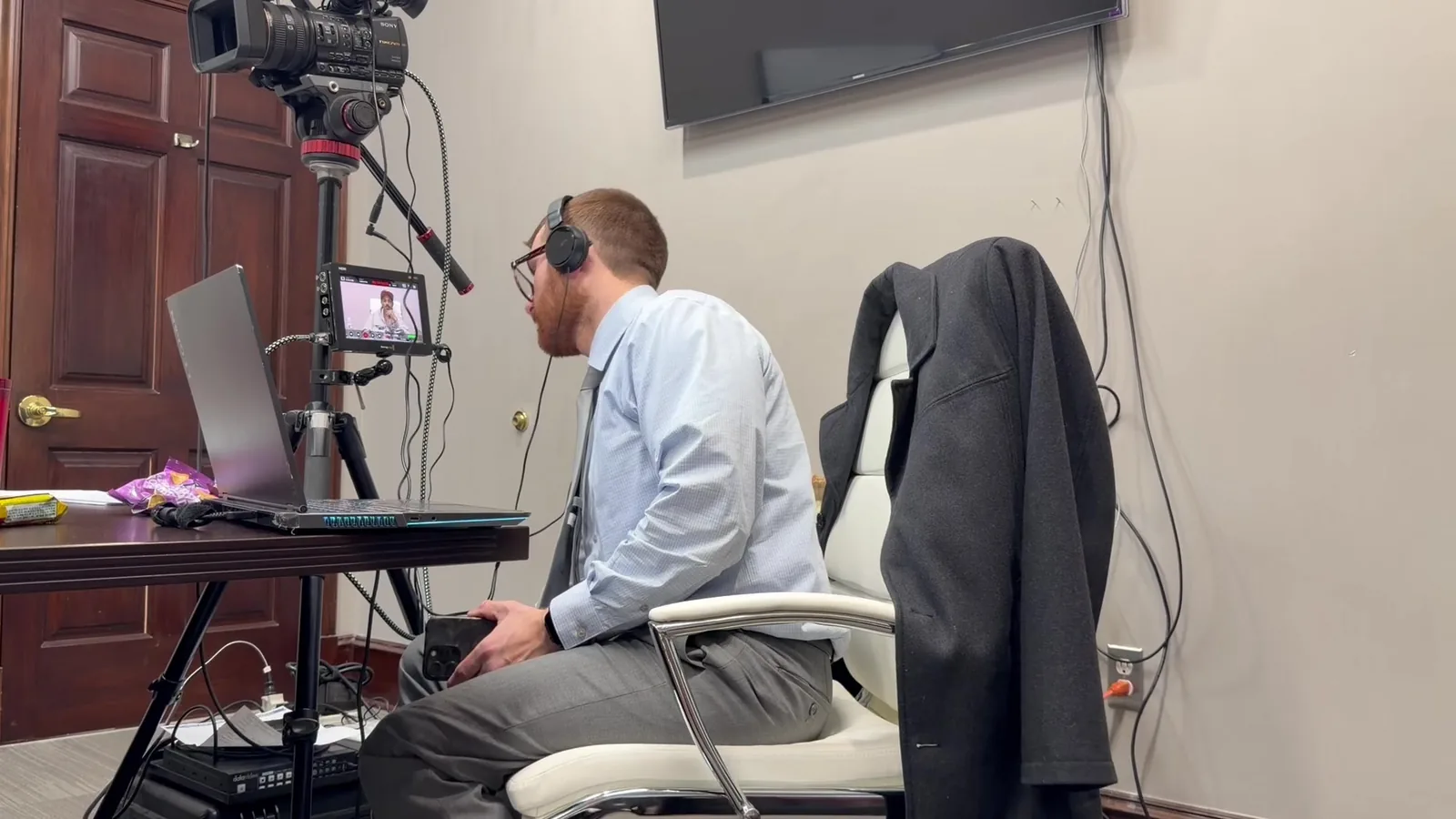
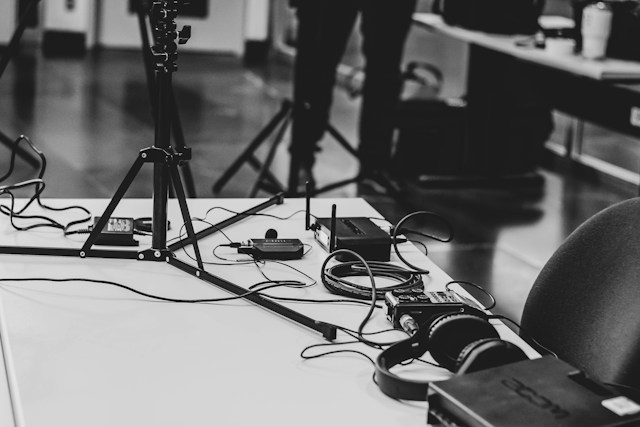
Most people picture trial technology as someone in the back of the courtroom pressing play at the right moment. In reality, that moment is the easy part. The real work happens earlier, in a stretch of time most attorneys never see: the 30 minutes before court starts.
This is where a trial tech team either has done the work or hasn't. Equipment gets placed, tested, and tested again. Exhibits get queued in order. Backup systems get staged in case anything fails. By the time the judge takes the bench, everything that could go wrong has already been checked for.
Understanding what happens in this window can help attorneys know what to expect from their trial support team, and why this preparation matters more than most people realize.
In This Article
- Why the Final 30 Minutes Matter
- Setting Up the Mobile Office
- Testing Every System Before It's Needed
- Confirming Exhibits and Playback Are Ready to Go
- Coordinating With Attorneys in Real Time
- Troubleshooting Quietly, Without Disrupting the Room
- What This Preparation Prevents
- Preparation You Don't See, but Always Feel
Why the Final 30 Minutes Matter
A trial doesn't start when the judge says "we're on the record." It starts long before that, in a courtroom that's still filling up with jurors, attorneys, and court staff. This is the window when a trial tech team either confirms everything works or discovers a problem while there's still time to fix it.
Attorneys are focused on their opening remarks, their witnesses, and their strategy. They shouldn't have to think about whether the projector will turn on. That's the job of the trial technician, and it's why this half hour is treated with the same seriousness as the trial itself.
A few things define how this time gets used:
- Every piece of equipment gets a final check, not just a setup check
- Backup systems are staged and ready, not just packed in a bag
- Communication with the legal team happens quietly and efficiently
- Nothing is assumed to work just because it worked yesterday
Placing Equipment With Purpose
Monitor placement matters more than people expect. Jurors need a clear line of sight. Attorneys need access without tripping over cables. The judge's view can't be blocked. Every monitor, speaker, and cable run gets positioned with these constraints in mind, not just wherever there's an open outlet.
Staging Backup Equipment
Redundancy is not optional in trial support. A single laptop, a single hard drive, or a single connection is a liability. In the final 30 minutes, a technician confirms that backup equipment is:
- Fully charged or connected to power
- Loaded with the same files as the primary system
- Positioned close enough to swap in without delay
- Tested, not just present
Testing Every System Before It's Needed
Audio and Video Checks
Audio issues are one of the fastest ways to lose a jury's attention. A trial technician checks volume levels, speaker placement, and clarity for every video clip that might be played that day. Video playback gets tested at the exact resolution and format it will be shown in, not just previewed on a laptop screen.
Synced Transcript Verification
For depositions with synchronized transcripts, the video and text need to line up perfectly. A technician confirms that timing hasn't drifted and that the transcript displays cleanly alongside the video. Even a small sync error can distract a jury or, worse, create confusion about what was actually said.
Remote Testimony and Hybrid Connections
Many trials now include a remote witness or expert testifying via video. This adds another layer of testing:
- Confirming the remote connection is stable
- Testing audio in both directions
- Verifying screen-sharing works for any exhibits the witness will reference
- Having a backup connection method ready in case the primary one drops
Confirming Exhibits and Playback Are Ready to Go
Exhibits and demonstratives often carry as much weight as witness testimony. If they don't display correctly, or if there's a delay pulling them up, it disrupts the flow of the case. The final 30 minutes are used to confirm every exhibit is not just present, but ready.
Organizing the Order
Exhibits are queued in the exact order they're expected to be used. This isn't a guess. It comes from close coordination with the legal team about how the day is expected to unfold. A trial technician confirms:
- Exhibit numbers match what's listed in the trial binder
- Video clips are cued to the correct start point
- Any redactions or edits have been applied correctly
- File formats will display properly on the courtroom's system
Testing Playback in Advance
Every video exhibit gets a quick playback test before the jury enters. This catches issues like incorrect file versions, audio sync problems, or formatting errors that don't show up until the file is actually played. Catching these problems now means catching them without anyone else in the room noticing.
Coordinating With Attorneys in Real Time
Confirming the Plan for the Day
A quick conversation with the attorney or paralegal confirms:
- Which exhibits are expected to come up first
- Whether any witnesses have changed order
- Whether any exhibits have been added, removed, or modified overnight
- Any specific cues the attorney wants during testimony
Staying Flexible Without Losing Preparation
Trials rarely go exactly as planned. An attorney might decide to introduce an exhibit earlier than expected, or a witness might be rescheduled. A trial technician has to adjust to these changes while still maintaining the same level of preparation. This is where experience matters most. Flexibility without preparation leads to mistakes, but preparation without flexibility falls apart the moment something changes.
Troubleshooting Quietly, Without Disrupting the Room
Solving Problems Before They Become Visible
Most troubleshooting happens quietly, often while attorneys are still reviewing notes or talking with clients. A flickering monitor gets swapped. A slow connection gets restarted. A misaligned exhibit gets corrected. None of this should require an announcement.
Common issues addressed during this window include:
- A remote witness connection that needs to be reset
- A monitor or projector that needs to be power-cycled
- A file that needs to be reloaded in the correct order
- An audio level that needs adjusting after a room fills with people
Staying Calm Under Pressure
Courtrooms are high-stakes environments, and tension can build quickly before a trial starts. A trial technician's job is to stay calm regardless of what's happening around them. This isn't about ignoring pressure. It's about handling it in a way that doesn't add to what the attorney is already managing.
What This Preparation Prevents
Avoiding Dead Air in Front of a Jury
Few things hurt a case's momentum like a long pause while someone fixes a technical issue. Jurors notice delays, even small ones. Thorough preparation reduces the chances of this happening to nearly zero.
Reducing Risk for the Attorney
An attorney's job is to focus on the case, not the equipment. When trial technology works the way it's supposed to, attorneys can stay fully present with witnesses and jurors. This is one of the most overlooked forms of risk reduction in litigation support.
Preventing Mid-Trial Scrambles
Because backup systems are tested and ready, a single equipment failure doesn't turn into a crisis. If something does fail, the transition to backup happens quickly and quietly. This is only possible because that backup was verified in the same 30-minute window as everything else.
Preparation You Don't See, but Always Feel
The 30 minutes before court starts rarely gets discussed, but it shapes how the entire day unfolds. It's the difference between a trial that runs smoothly and one interrupted by avoidable delays. Attorneys may never see the checklist being completed, the backup systems being staged, or the quiet troubleshooting happening in the background, but they feel the result of it every time the day goes exactly as planned.
This is the philosophy behind trial technology done right: preparation matters, presentation matters, and helping attorneys feel supported in high-stakes moments matters most. The quiet work in those 30 minutes is where that philosophy gets put into practice.
Let's Make Sure Your Next Trial Starts Without a Hitch
If you have an upcoming trial and want a technology partner who treats those final 30 minutes as seriously as the trial itself, we'd like to help you prepare. Reach out to Schmitzer Video & Trial Services to talk through your courtroom technology needs before your next trial date arrives.
Key Takeaway
Discover what trial technicians do in the final 30 minutes before court to test technology, prepare exhibits, and keep courtroom presentations running smoothly.
Planning a trial or deposition in Michigan? Let us make the technology the last thing you have to worry about.
Request a Consultation